Is Food Tracking Still Relevant in 2026?
Jan 10, 2026
//
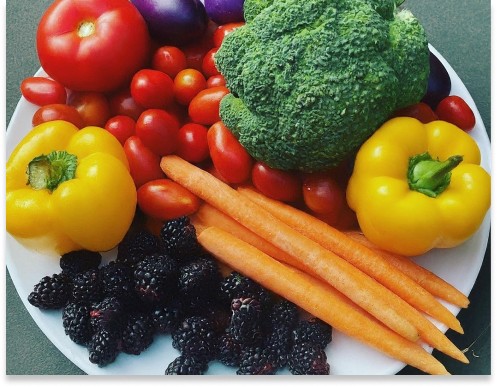
In this guide, we’re going to dive into why tracking is still one of the best moves you can make for your health goals in 2026.
Remember when food tracking apps didn’t exist yet? You know, when you had to weigh every single bite and then manually punch the data into some clunky app? That era is long gone.
Food tracking in 2026 is completely different. It’s not homework anymore—it’s more like having a smart friend who gets your lifestyle instead of bossing you around.
But here’s the thing: with everything we know now about nutrition, plus the whole anti-diet movement taking off, you might be wondering: “Should I even bother tracking my food anymore?”
The short answer is a massive YES, but not in the way you’re probably picturing. The whole game has changed. We’re talking AI, real-time feedback from your body, and apps that actually consider your mental health. It’s smarter, way easier to stick with, and infinitely more helpful than anything from the past.
In this guide, we’re going to dive into why tracking is still one of the best moves you can make for your health goals in 2026. We’ll show you how tech has totally shaken things up and, most importantly, how to use it so it genuinely boosts your well-being without making you obsessed or taking the joy out of eating.
How Food Tracking Has Changed Over the Decades
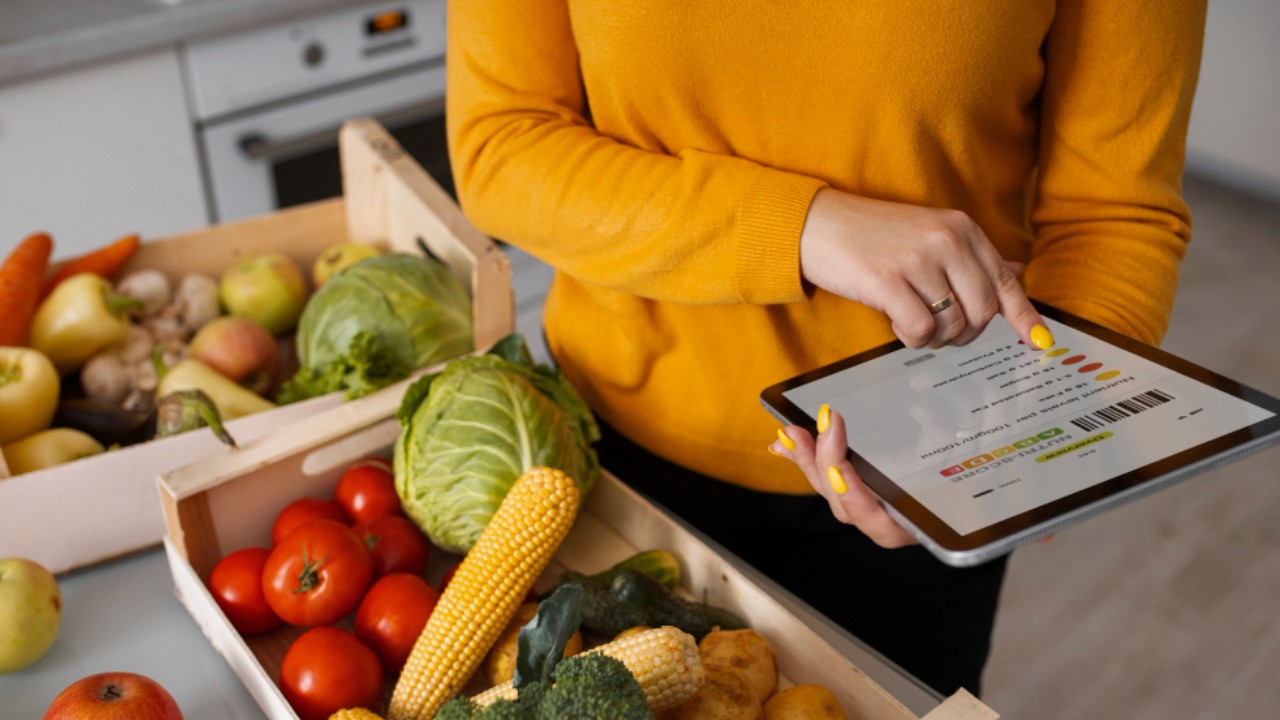
Back in the 2000s, we got early digital platforms like MyFitnessPal. They had databases that saved you some time, but you still had to punch in a ton of info yourself.
Then came the 2010s. This is when things got easier with barcode scanning and restaurant menus popping up in apps. It was way more convenient, but you were still just looking at what you’d already eaten.
Then the 2020s happened. AI, machine learning, and wearable tech all came together. We now have apps that could predict stuff instead of just recording it. They figure out how that food affects you specifically. They can tell you what nutrients you’ll need before you’re even hungry and give you helpful tips in the moment. Pretty crazy, right?
The Technology Behind Modern Nutrition Tracking Apps
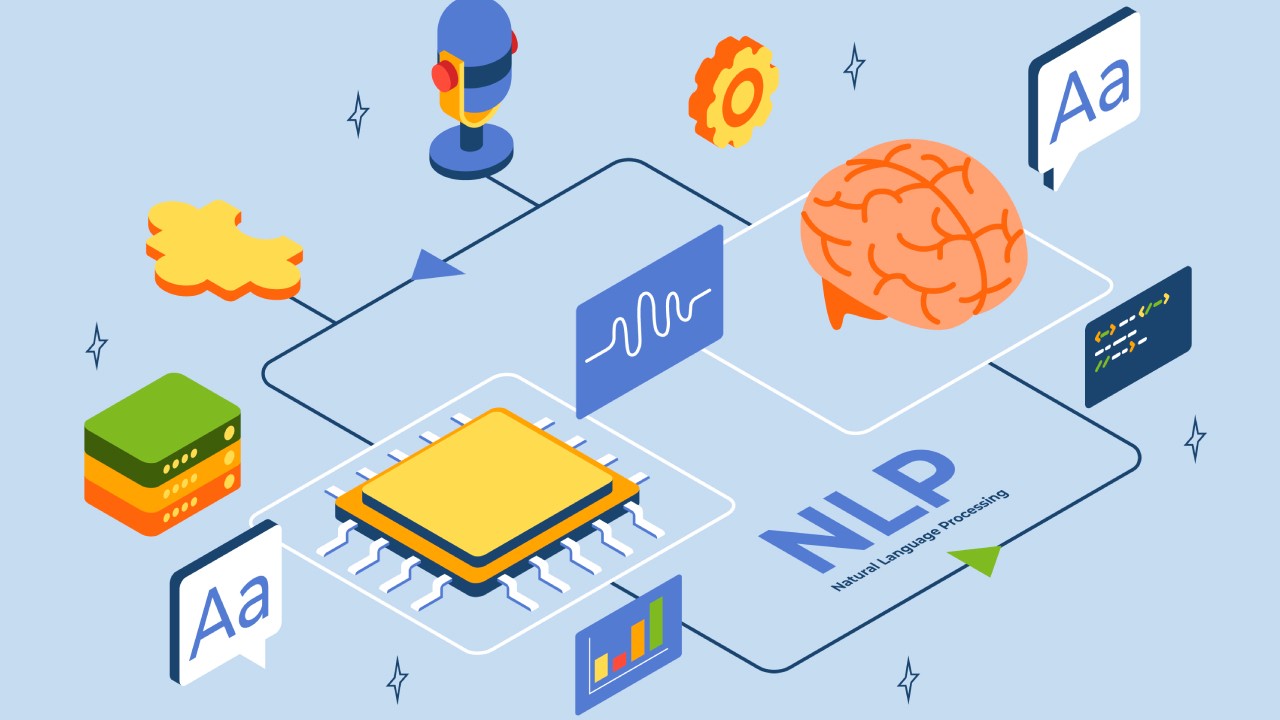
Current food tracking technology leverages multiple breakthrough innovations. Computer vision algorithms can identify foods from photos with 95%+ accuracy, eliminating manual entry for most meals.
Natural language processing (NLP) understands voice commands like “I had a large coffee with oat milk and a breakfast burrito” and translates them into detailed nutritional data.
But the real magic is the machine learning stuff. These models look at your eating patterns and then cross-reference them with everything else:
Your blood sugar readings (if you use a glucose monitor)
How well you slept
How hard was your workout
Even your stress levels
This gives you a full, personalized report on how every type of food affects your energy, mood, stomach, and overall performance. Just a few years ago, you’d need expensive doctor visits and tests to get this kind of deep, tailored insight. Now it’s right on your phone.
Why Food Tracking Still Matters in 2026
Even with all the anti-diet talk out there (which is great, by the way!), tracking still totally matters in 2026. Here’s the simple lowdown on why it’s still a powerful tool:
Self-Awareness is Everything
Look, we all think we eat pretty healthy. But when you track everything, even that handful of chips or the extra cream in your coffee, you get the real picture. No judgment, just honesty.
Plus, you start noticing patterns. Once you see it, you can actually do something about it instead of just wondering what’s wrong.
It’s Hyper-Personalized
Modern apps aren’t just comparing you to a generic 2,000-calorie template. By linking the app to your smartwatch or something like a Continuous Glucose Monitor (CGM), the system actually learns how your unique body deals with that slice of pizza or that bowl of oatmeal.
It Helps You Hit Your Goals
It’s not just about what you need to cut out anymore. Modern tracking lets you zero in on whether you’re getting enough good protein, fiber, and a good variety of vitamins. It’s about building up, not just limiting!
It’s a Sanity Check for Mental Wellness
Tired of having mood swings? Food tracking will help you map your mood. These apps can sync with simple mood trackers. The AI connects these dots for you, showing the powerful link between what you eat and your mental state.
It’s Your Personal Anti-Food-Waste Tool
Modern food tracking makes you a much smarter shopper and eater. Better planning means less spoilage.
When you know what you actually need versus what you’ve been eating, you stop buying random stuff at the store. You start planning meals around what’s already in your fridge, which means way less food going to waste.
How AI Took the Pain Out of Food Logging
Logging is Now Instant
Seriously, trying to find your meal in a massive food database used to be the worst part. Those days are officially over!
In 2026, AI-powered logging is all about instant recognition. You take a pic of your food, and two seconds later, the app knows what your food is. It also estimates the portions and logs everything.
The camera’s seen millions of meals at this point, so it can tell brown rice from quinoa, grilled chicken from fried, even those complicated mixed dishes.
Driving or hands full? Just tell the app, “I had a large coffee with oat milk and a breakfast burrito.” It figures out the details and might ask, “Was that whole milk or skim?” Feels more like texting a friend who knows their stuff than filling out a form.
Predictive Analytics Through AI
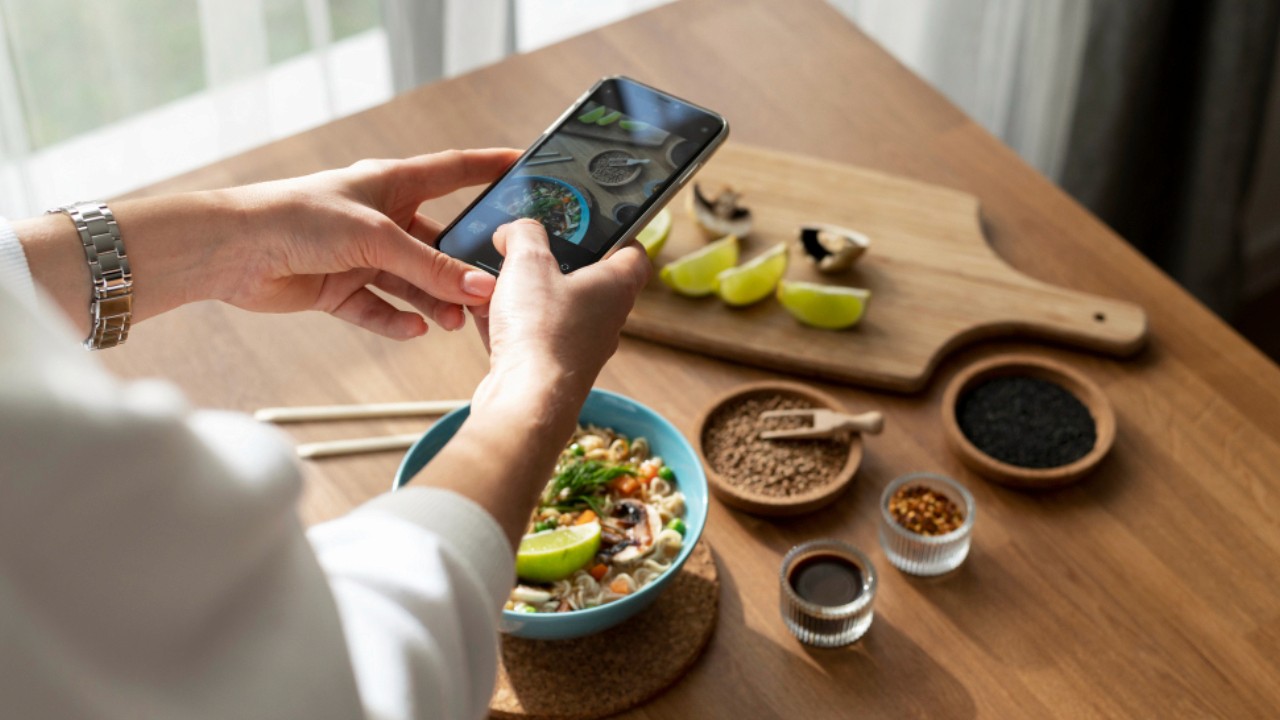
The best part is that modern AI apps aren’t just filing away old information; they’re getting into the whole prediction and planning game for your future nutrition.
The app watches your patterns and starts suggesting meals before you’re even hungry.
It knows leg day burns extra calories, so it nudges you toward a bigger breakfast with more protein. It notices you crave carbs late at night when work’s stressful, so it suggests something that actually fits your goals instead.
Some apps will even build your grocery list and meal-prep schedule based on everything they’ve learned about you.
Plus, they even help you manage hunger. By tracking when you eat and how full you feel after, the app can predict when you’re about to crash. Then it suggests the right meal timing to keep your energy level and stop you from stress-eating whatever’s around.
Real-Time Biometric Feedback
Imagine logging your food and then instantly seeing what it does inside your body. That’s the power of linking your app with wearables.
The Glucose Revolution
Continuous Glucose Monitors (CGMs), those little sensors that used to be only for people with diabetes, are now something health enthusiasts use all the time.
Why? Because when you log that oatmeal or that slice of pizza, your app shows you your glucose curve in real-time:
Did it cause a huge spike and crash?
Or did it keep your energy nice and steady?
You learn so fast which meals work for your body, how pairing different foods changes your response, and how even a quick walk after eating can totally smooth out that curve. It takes the guesswork out of eating for energy.
Beyond Sugar: HRV and Sleep
But it’s not just glucose. Wearables track a whole bunch of other amazing stuff like your Heart Rate Variability (HRV), sleep quality, recovery status, and even stress. All of this is tied directly to what you eat:
You might notice your high-sodium dinners kill your deep sleep.
Your post-workout recovery score tanks when you skip your protein shake.
Certain meals could even be driving inflammation that makes you feel cranky the next day.
Syncing Fitness and Nutrition Data
The best modern platforms blend your food log and your workout tracker into one smooth system.
Your smartwatch automatically beams your workout data, so the app adjusts your calorie needs based on what you actually burned, not some rough guess. This integration is key to crushing your goals:
For Athletes: That data shows endurance runners exactly how their pre-race carb timing affected their pace, or helps strength trainers see the direct link between their protein intake and how fast their muscles recover.
For Everyone Else: It just helps you stop the common mistake of under-eating for your activity level. The app helps you make sure your fuel matches your effort.
And it works both ways! If the app sees you’re consistently low on key nutrients, it might suggest you dial back on your training for a day or focus on recovery until your nutrition is back on track. It prevents you from trying to exercise your way out of a bad diet or running yourself into the ground because you haven’t fueled properly. It’s truly holistic!
Conclusion
You’ve heard all about the future of food tracking: the AI, the biometrics, the personalized insights. Well, that future is right now, and it’s called Biteme. We designed an app that actually feels like a supportive friend, not a judgmental robot.
Ready to start your food tracking journey? Choose an app that aligns with your goals, and commit to consistency over perfection. Download Biteme today!