What Makes a Great Calorie Tracking App?
Dec 21, 2025
//
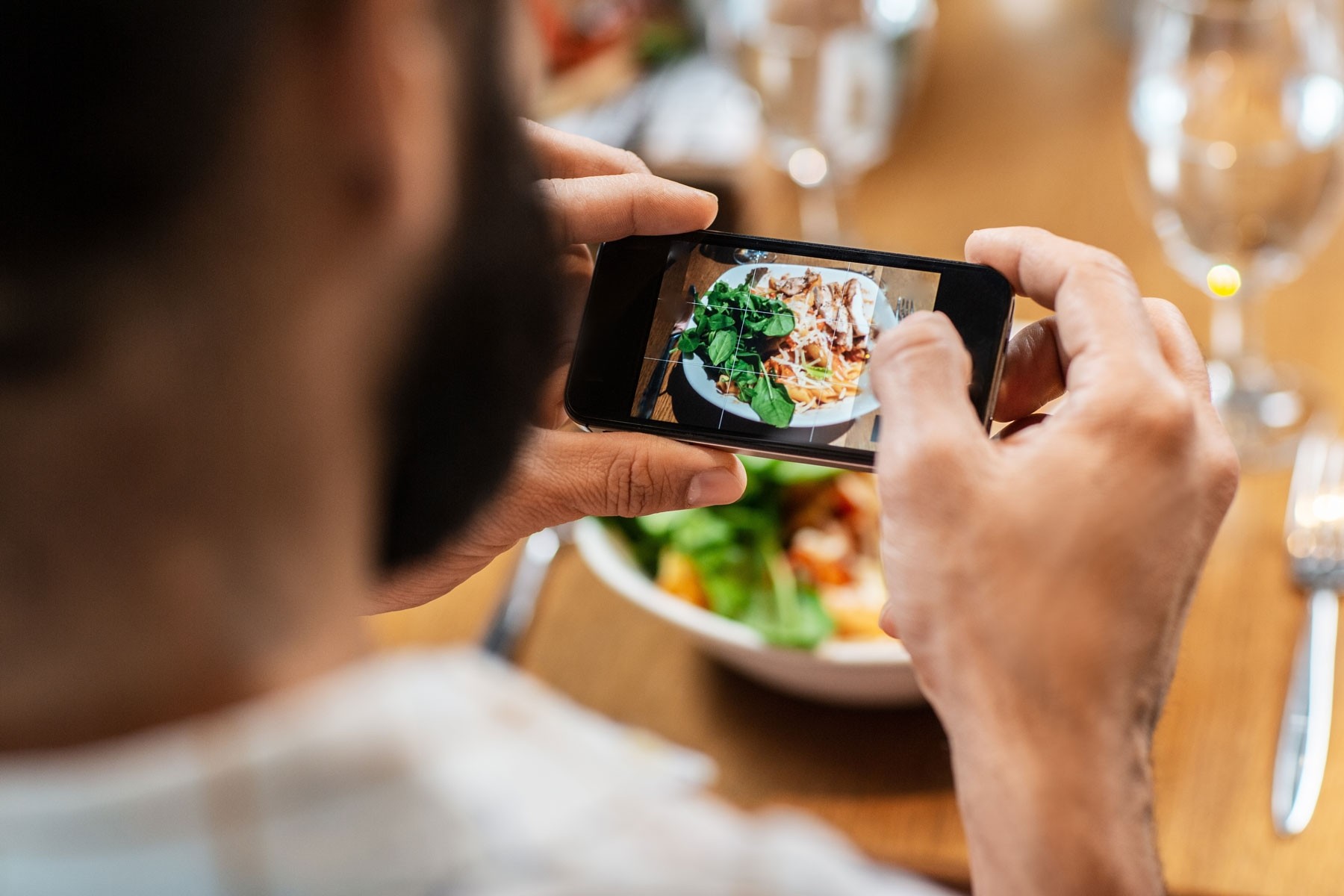
Trying to track calories without burnout? Learn what makes a great calorie tracking app and how to choose one that works for real life.
Trying to track what you eat? You probably already know that the number of calorie-counting apps out there is pretty insane.
There are literally thousands of them in app stores, all saying they’re the best thing for managing your weight. Picking the right app versus a crappy one can be the difference between sticking with your goals or giving up after a couple of frustrating weeks.
This guide breaks down what actually matters when you’re choosing a calorie tracker. Whatever your goal is, we’ll cover the features that make a great calorie tracking app. By the end, you’ll know how to pick one that works with your daily routine instead of against it.
Comprehensive and Accurate Food Databases
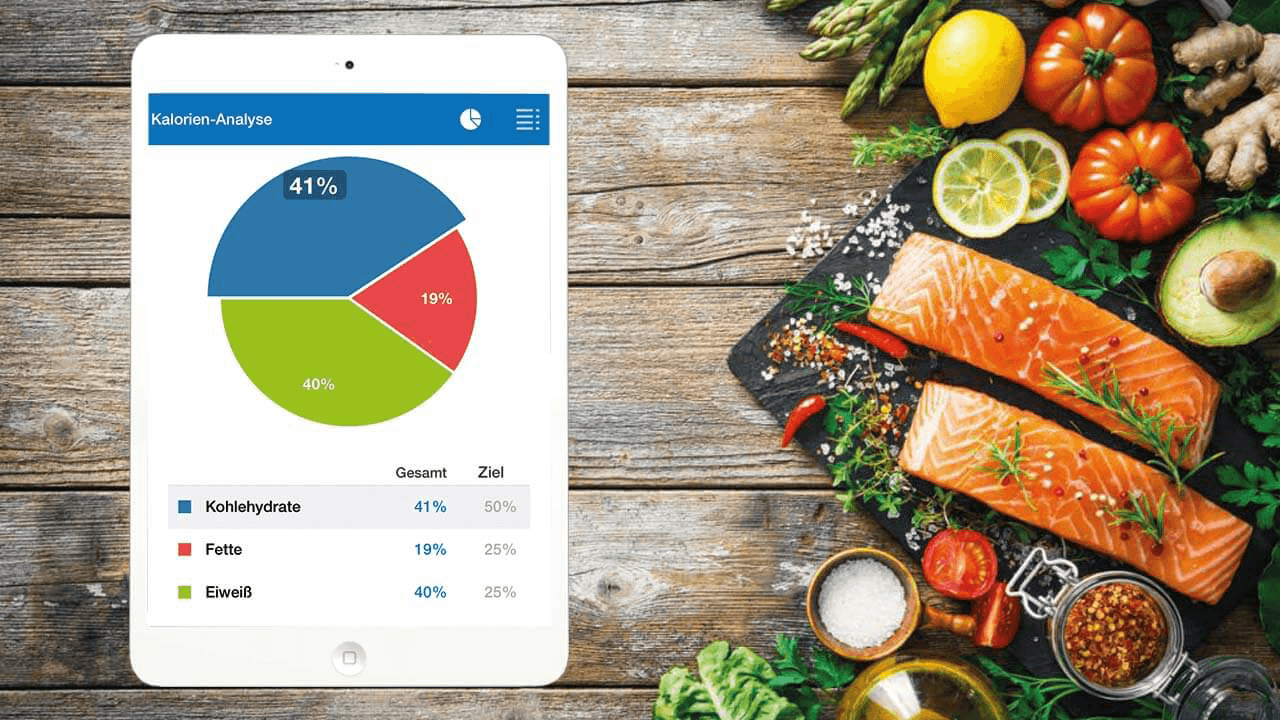
The database is everything, right? Here’s the scoop from some research that compared these apps to the official USDA standards:
Calories and Carbs are usually spot on, with just a tiny 1-2% difference across most apps.
Protein estimates can be wildly different, sometimes off by more than 10% between one app and the next.
Fat estimates can vary by up to 6.5% between different apps.
This inconsistency directly impacts your ability to make informed nutritional decisions.
Database Size vs. Database Quality
This is where things get interesting. It’s tempting to think bigger is better, right? You hear apps like MyFitnessPal bragging about having 18 million food items, while Cronometer has a more modest 1 million verified entries.
But it’s not about the size of the database; it’s about how accurate it is. You might search for a “medium apple” and find 50 different calorie counts, ranging from the correct USDA data to some totally wrong entry someone typed in.
The Solution? Verification.
Cronometer tackles this head-on by having a team verify every public entry before it goes live. Users love this because it removes that constant, annoying choice between conflicting entries.
MyNetDiary takes a similar path. They keep a verified database of over 1.7 million items and even track 108 different nutrients per food. They’ve found a great sweet spot between having tons of food options and making sure the data is actually reliable.
Regional Food Availability
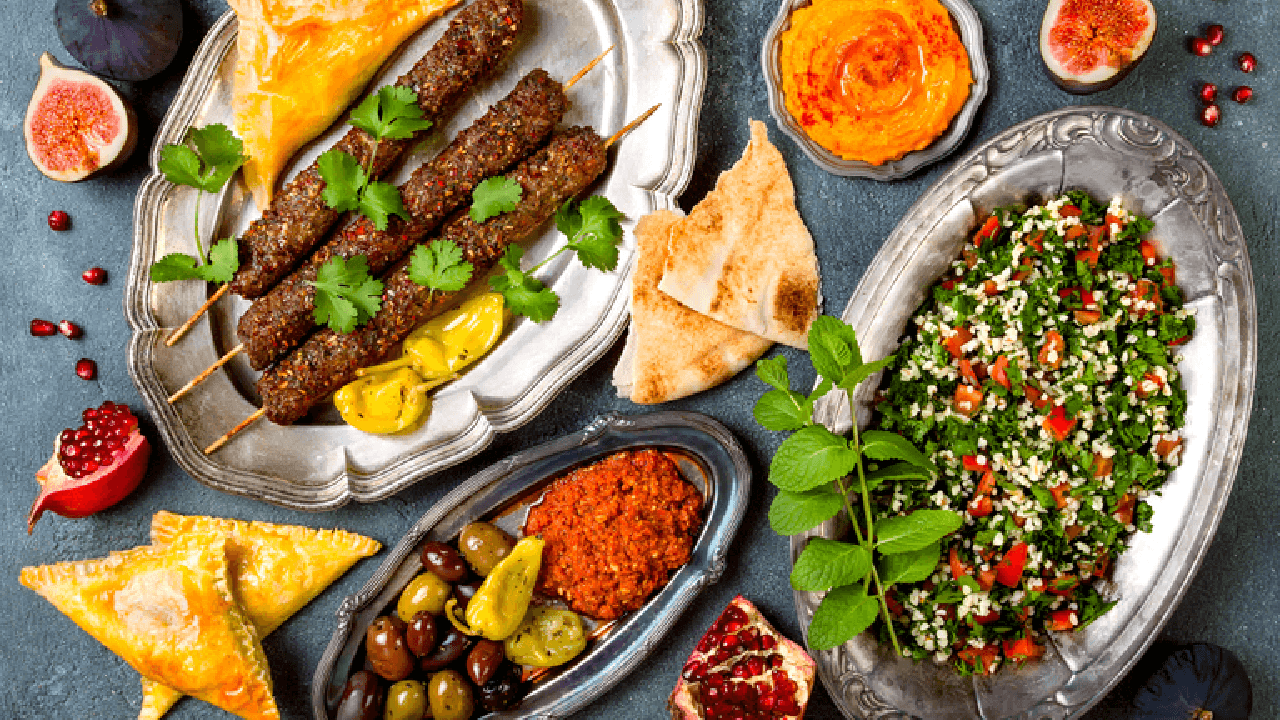
Apps developed in Western countries often lack comprehensive databases for regional and ethnic foods. When people in international markets (or people who eat specific ethnic foods) try to use them, they hit a wall.
If your diet is based on your cultural background and includes foods that aren’t common in the US or Europe, you’re going to spend forever trying to log your meals. You either waste a ton of time manually typing in all the nutritional info, or you end up looking for some bad substitute that doesn’t really match your food.
The successful apps for a diverse user base are the ones that understand this:
They either build out strong international food databases.
They make the process of adding your own custom food super easy and fast.
If an app makes you go through a long, manual entry process for every homemade or ethnic dish, people just quit using it. It’s too much work.
Restaurant and Packaged Food Coverage
In the real world, we eat out, and we grab pre-packaged stuff. You can’t track calories effectively if the app is stuck on just whole foods.
The best apps know this, so they work hard to keep up. They partner with major restaurant chains and food companies to get that official, accurate nutritional info.
When your app already knows the calorie count for your favorite grocery store brands and your usual takeout spot, it makes tracking consistent and way less of a headache.
The smartest apps handle this by being helpful, not perfect. They might not have the exact number, but they can give you a really good estimate based on similar dishes or by breaking down the ingredients. It’s about getting close enough to keep your tracking on point.
Good User Experience
You can have the most accurate database in the world, but if logging a meal feels like a pop quiz in math class, people are going to ditch the app.
The difference between a quick 30-second log and a slow 5-minute log is huge. Around 78% of people quit within three months, and logging friction is the main reason why.
Speed and Simplicity in Food Logging

The apps that win know how to make logging super fast. They remember your favorite foods and meals so you can tap them in seconds. Aside from that, they let you copy a meal or an entire day.
Barcode Scanning Technology
A barcode scanner turns logging from a chore into a simple “point-and-shoot” action.
But watch out because the scanners on North American products generally work great but they can be a lot less consistent with international foods.
Some food tracking apps give you their barcode scanner for free, while others make you pay for it with a premium subscription. If you eat a lot of packaged food, getting that free scanner is key to sticking with tracking without adding an extra cost.
AI-Powered Photo Recognition
It’s wild that you can just snap a pic of your food now, and the app gives you a calorie count. For a normal meal, the AI is hitting about 85% accuracy. It’s not perfect, especially with complicated stuff like a huge, mixed casserole, but it’s still way better than trying to guess yourself.
Users say it’s best to think of it as a “quick estimate” tool, not a precision machine. If you’re the kind of person who quits because the logging is too tedious, this photo feature is a game-changer. It lowers the bar and keeps you focused on the big picture without stressing over every tiny detail.
Interface Design and Navigation
No matter how great the tech is, if the app is a cluttered mess, you won’t stick with it. The main thing that keeps people tracking long-term is a good, clean design.
The best apps are designed around speed and clarity:
They put your calorie balance right on the home screen.
Logging a meal should take minimal taps.
They’ve got nice visuals like color-coded charts so you can see how you’re doing without squinting at a bunch of numbers.
Goal Setting and Personalization
Picture this: you enter your info, the app spits out “eat 1,800 calories,” and then... nothing changes. Ever. Even when you lose weight or start working out more, that number just sits there.
The best apps are smarter because they use adaptive goal-setting. They learn from you and watch how your weight changes over a few weeks based on the food you log.
Food tracking apps use this info to calculate your actual daily energy expenditure or what you’re actually burning.
Then they tweak your calorie goal every week or two. This is actually a big deal because your body changes as you go, and the app keeps up with it. That way, your targets stay realistic, and you avoid that annoying plateau where you’re doing everything right but the scale just... won’t budge.
Progress Tracking and Visualization
Human brains are wired to love visual feedback! The best apps make your journey look compelling, even when the scale is being stubborn:
Trend Graphs: They use smart math to smooth out the daily weight ups and downs (which are usually just water or digestion) and show you the true downward trend. Seeing that line move even when the scale is annoying you is a massive boost.
Beyond the Scale: They let you track things like body measurements, which is great when you’re losing inches but not weight.
Streak Counters: This is pure gamification. Hitting a 30-day logging streak feels like an achievement and gives you a tangible reason to keep going, even before you see big changes in the mirror.
Meal Planning and Recipe Features
The mental energy of constantly figuring out “What should I eat today to hit my numbers?” is what burns people out. That’s where meal planning steps in.
Apps that offer this remove the decision fatigue. They give you a structured eating plan that’s already set up to match your calorie goal.
Many apps also have huge recipe libraries, and they let you import or create your own, which is super convenient for daily use.
Conclusion
Which calorie tracking app features do you find most valuable? If you found this guide helpful, share it with friends who might benefit from a better understanding of what makes a calorie tracking app truly effective.
Ready to start your tracking journey? Download Biteme today! Built for everyday eaters, busy schedules, and long-term results, our app combines accurate tracking with a clean, distraction-free experience.