Why Keep a Food Diary?
Dec 27, 2025
//

Is logging your food really worth it? Food tracking isn’t just for weight loss; it helps uncover habits, improve awareness, and stay consistent long term.
You log your lunch every day. Is it actually helping? 100%.
Tracking your food isn’t just for weight loss (though, let’s be real, it’s great for that). It’s the ultimate tool for a lightbulb moment about your eating habits. You literally start seeing the patterns you miss when you’re just thinking about what you eat.
Team MyFitnessPal or just a notes app, it doesn’t matter. Sticking with it delivers real, unexpected benefits that keep people consistent
In this blog, we’re about to explain the science behind why food tracking works and how to make the whole process way smoother.
Tracking is a Weight Loss Cheat Code
A big study from Kaiser Permanente’s Center for Health Research looked at almost 1,600 people and found a mind-blowing result: people who consistently logged their food lost twice the weight compared to non-trackers. We’re talking double the results from just one simple daily habit.
Why the dramatic difference? It’s all about accountability.
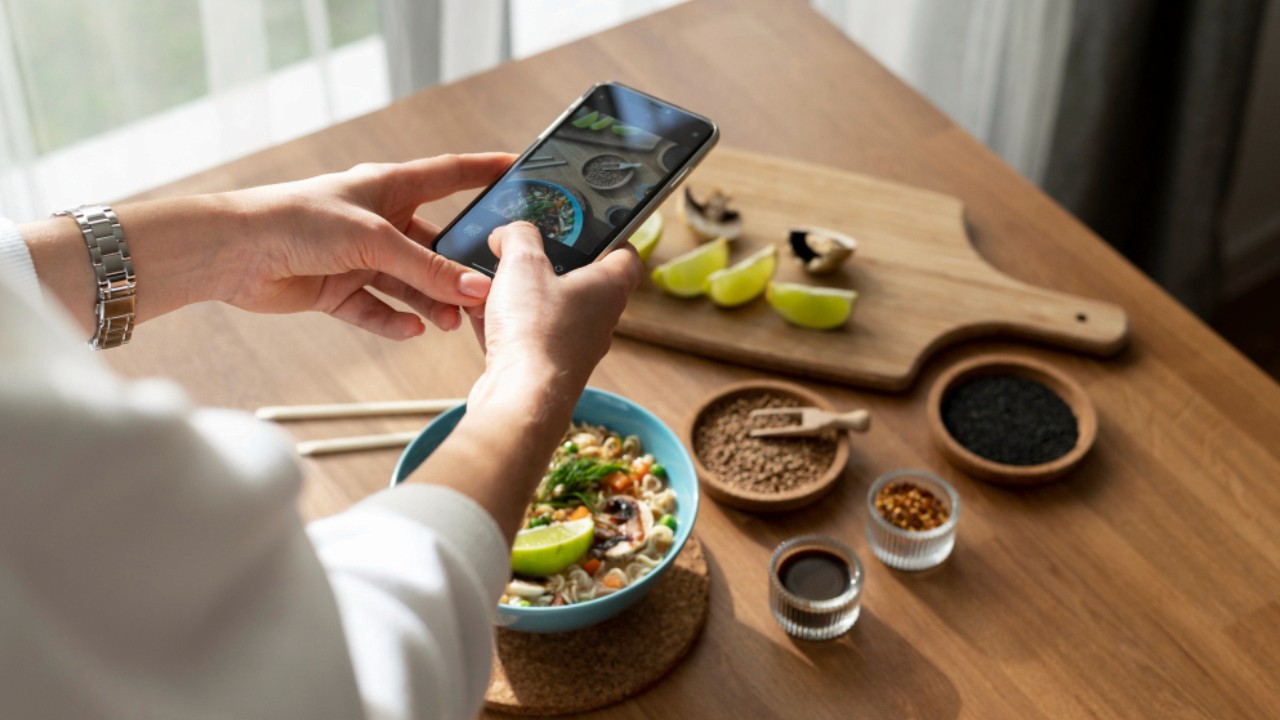
Luckily, modern apps have made the whole thing super low-effort. You don’t need to manually crunch numbers anymore. Just scan a barcode in a second or even use photo recognition to log your plate. Apps like Biteme have gigantic databases, and newer apps use AI to understand exactly what you ate just by typing it out.
The Weekend vs. Weekday Phenomenon
What usually happens is you track for a full week and then look back at your log. Most people eat pretty consistently during the week. They mostly log regular mealtimes, reasonable portions, and times when they cook at home.
They nail the weekday routine: logging their meals, keeping portions in check, and tracking when they cook. Then the Friday feeling sets in. The log suddenly features late dinners, giant servings, lots of delivery, and that wine night with friends.
Just to be clear: none of that is bad! But knowing about it changes things. Maybe you decide your Saturday brunches are totally worth it. Or maybe you realize you can still have fun without going quite as hard. The point is, you can’t fix (or decide not to fix) what you can’t see.
Portion Size Reality Check
We’re all terrible at eyeballing portion sizes. A handful of almonds could be 200 calories or 600, depending on how hungry you are when you grab them. That drizzle of olive oil? Maybe one tablespoon, maybe four. That’s a big difference in calories.
When you actually measure and log things, it gets real. You’ll probably find out you’ve been eating way more of certain foods than you thought.
The cool part? Give it a few weeks of measuring, and you become a master estimator. You’ll get so good at knowing what three ounces of chicken or a cup of pasta looks like that you won’t need the tools anymore. Keeping a food diary is just eye-training for your portions.
Mindless Eating Exposure
The sneaky stuff is what gets you. Your coworker’s birthday cupcakes, those samples at Costco, or finishing your kid’s mac and cheese. These foods barely register in your brain, but it can easily be a few hundred calories.
When you have to log every single thing, you suddenly notice how much random eating you do. A lot of people say that just having to pull out their phone and add something makes them stop and think “Do I actually want this?”
The point isn’t to say “no” all the time, but to switch from autopilot eating to intentional eating.
And the numbers don’t lie. You might swear to yourself that you barely snacked, but then your log shows you grabbed something five different times yesterday afternoon. Or you realize you’re genuinely hungry for those snacks because lunch was too light or didn’t have enough protein. Either way, now you know.
Benefits of Keeping a Food Diary
Want to manage your weight, feel less sluggish, or just eat healthier? A food diary takes you from clueless to clue-in. It helps you make real, lasting decisions. So, here’s the deal on why you should start one today:
It Supports Weight Loss
Once you understand the calorie balance thing, weight management stops feeling like a mystery. Your app does math. It takes your age, weight, height, how active you are, and what you’re trying to do, then tells you how many calories you should eat. No more guessing.
The basics are pretty simple: eat less than you burn, and you lose weight. Eat more, you gain. Eat about the same, you maintain. Easy concept, but actually pulling it off without tracking? Way harder than it sounds. Your brain is terrible at estimating how much you’re eating and how much you’re burning.
If you go premium on food tracking apps, you get more control, like custom calorie targets and macro breakdowns. It will also sync with your fitness tracker, so it adjusts when you work out. The longer you use it, the smarter it gets.
Some will even predict if you’re on track to hit your weekly goal, which is honestly pretty motivating. You can see where you’re headed and course-correct before Sunday rolls around.
You’re Building Habits That Last
The people who really nail food tracking don’t see it as some temporary, annoying diet chore. They treat it like a long-term awareness practice. Studies back this up: those who log their food are also way more likely to keep it off forever.
That tracking habit creates a solid feedback loop that locks in those healthy choices.
Another pro is that you don’t have to track for the rest of your life. Many experienced trackers switch to intermittent tracking. This means that they log everything for a few weeks, take a break while maintaining their weight, and then hop back into daily logging for a quick reset.
The main idea? Use your food diary for learning, not for beating yourself up. You’re just collecting data about your body and your behavior patterns. That info is what empowers you to make choices that hit your goals while still leaving plenty of room to enjoy food and socialize.
You Catch the Emotional Triggers

Emotional eating is the biggest hurdle for people trying to manage their weight. With a food diary, you also track your mood before and after eating.
Stress eating usually follows a familiar script: a rough day at work or home, you feel anxious or overwhelmed, and your brain immediately reaches for that comfort food. Most sugary and fatty foods give your brain a quick hit of relief, which is great for a minute, but bad when it becomes your default way to cope.
Apps that let you tag your mood are gold. After a couple of weeks, you can look back and see crystal-clear connections.
Maybe every Monday night, you snack way more, and your mood is tagged “stressed.” Or maybe loneliness on Sunday correlates directly with diving into the ice cream. These specific patterns are impossible to spot until you lay out the data.
Here are the most common emotional eating triggers:
Your cortisol levels are high due to stress.
You’re bored, and you’re not doing anything interesting.
You’re having a slow afternoon.
You’re celebrating achievements or having a social gathering.
You’re Figuring Out Your Food Sensitivities
Got random bloating, headaches, or low energy? It might be a food sensitivity (it’s not a true allergy, but it messes with you). These problems sneak up gradually, making them really hard to find without serious documentation.
Your food diary is the key to cracking the case. Log everything you eat plus any symptoms you feel, and you’ll see the patterns emerge.
Is it dairy that gives you gas two hours later? Does bread always cause your afternoon crash? The data tells the story.
This is also exactly why doctors suggest elimination diets. You cut out certain foods for a month while logging symptoms, then slowly bring them back. This process requires meticulous notes, which is where tracking apps shine.
Different food tracking apps even let you track the intensity of your symptoms, and then they run the correlation analysis for you. It answers which foods are the biggest red flags? It takes the guesswork out of trying to recall that weird thing you ate last week.
Who Should Keep a Food Diary?

Source: KamranAydinov via Freepik
Honestly, almost anyone can benefit from tracking, but it’s an absolute game-changer if you:
Want to lose weight or just maintain your current number
Are totally new to nutrition and need to learn what macros actually look like on a plate
Struggle with mindless snacking or eating
Want way more energy and better focus throughout the day
Feel confused about what foods are truly “healthy” for your specific body
The Bottom Line
The simple act of writing your food intake is your biggest advantage. It gives you the power to see the patterns: the invisible links between your mood, your portions, and your favorite foods.
It’s a small daily habit with a big payoff: awareness, balance, and confidence around food.
Ready to start turning those insights into action? Download Biteme today!