|

Share Article
You downloaded the app. Set your calorie goal. Logged breakfast with actual excitement. Then, somewhere around Day 4, things fell apart, and you can’t quite figure out why the tracking isn’t doing anything.
Food diary mistakes are way more common than people admit, especially when you’re just starting out. Turns out, the science is pretty solid on this: keeping a food diary can actually double your weight loss results. The real kicker? It only works if you’re being honest and accurate with the details.
So, here’s a breakdown of 5 mistakes beginners make with food diaries, plus how to actually fix them. Doesn’t matter if you’re using Biteme, MyFitnessPal, or a plain notebook because these apply to everyone.
Let’s get into it!
Why Food Diary Accuracy Matters More Than You Think
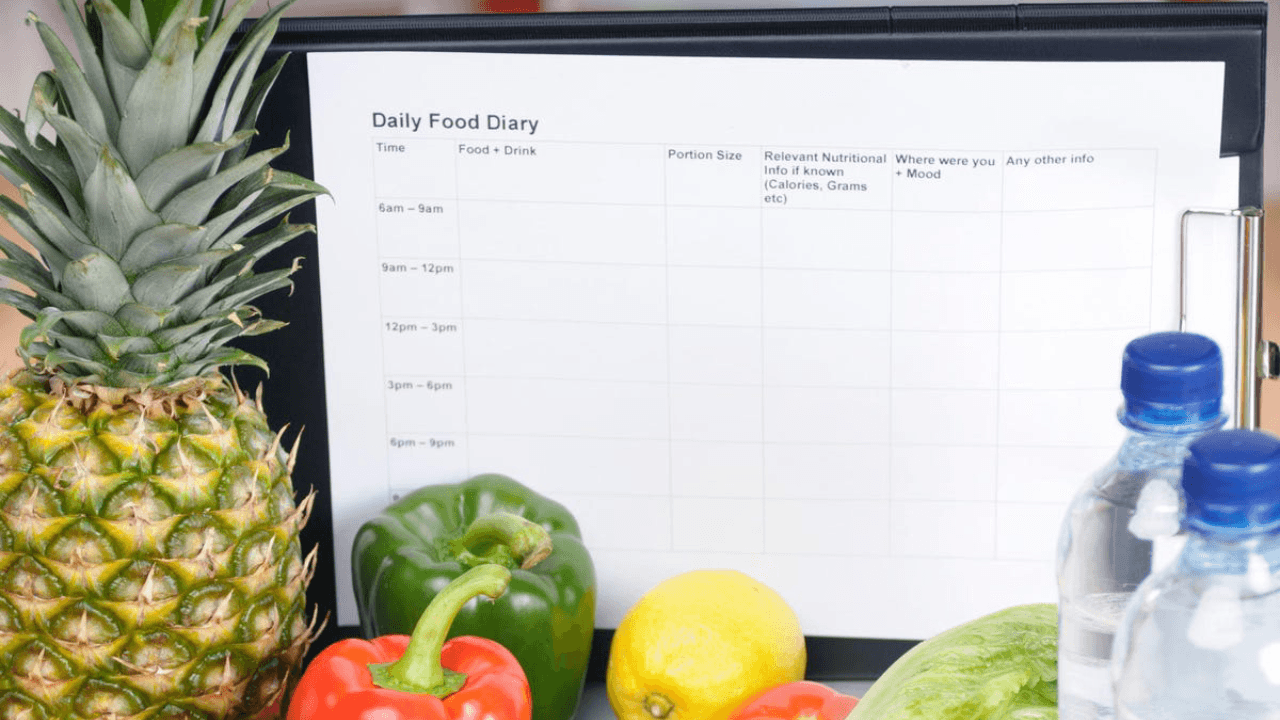
Before we get into the mistakes, it helps to know why any of this matters. Your food diary is only as useful as what you put into it. Log inaccurately, and you’re basically making decisions based on a lie you told yourself.
The research is pretty detailed on this. A study of nearly 1,700 people found that those who kept daily food records lost twice as much weight as those who didn’t. The American Heart Association, Harvard Health, and basically every major nutrition body out there recommend food journaling as a legit tool for changing habits, not just a wellness gimmick.
The problem? Most people underreport what they eat. And not just a little. Studies show that even nutrition students and healthcare professionals consistently log less than they actually consume. It’s not a willpower thing. It’s a very human, very predictable set of mistakes/
So, what should a food diary actually track?
More than just calories, honestly. A complete log looks something like this:
What you ate: The specific food, how it was cooked, any sauces or toppings
How much: Actual measured amounts, not vibes
When: Time of day matters more than you’d think
Where: At the table, in the car, standing over the kitchen sink at 11 PM
How you felt: Hungry, stressed, bored, just-because
What you drank: Water and everything else
Most beginners only track the first two, and even then, not super accurately. Here’s where it tends to go wrong:
Mistake #1: Logging Food Hours After You Eat

Your memory is the enemy. You eat breakfast, tell yourself you’ll log it later, and by 9 PM you’re squinting at the ceiling trying to remember if that was one tablespoon of peanut butter or three. Spoiler: it was three.
Our brains are just bad at this. The longer the gap between eating and logging, the more stuff quietly disappears from the record. The drizzle of oil, the two bites of someone else’s food, the drink that wasn’t water. Your diary ends up looking clean, your calories seem totally reasonable, and yet somehow nothing is working.
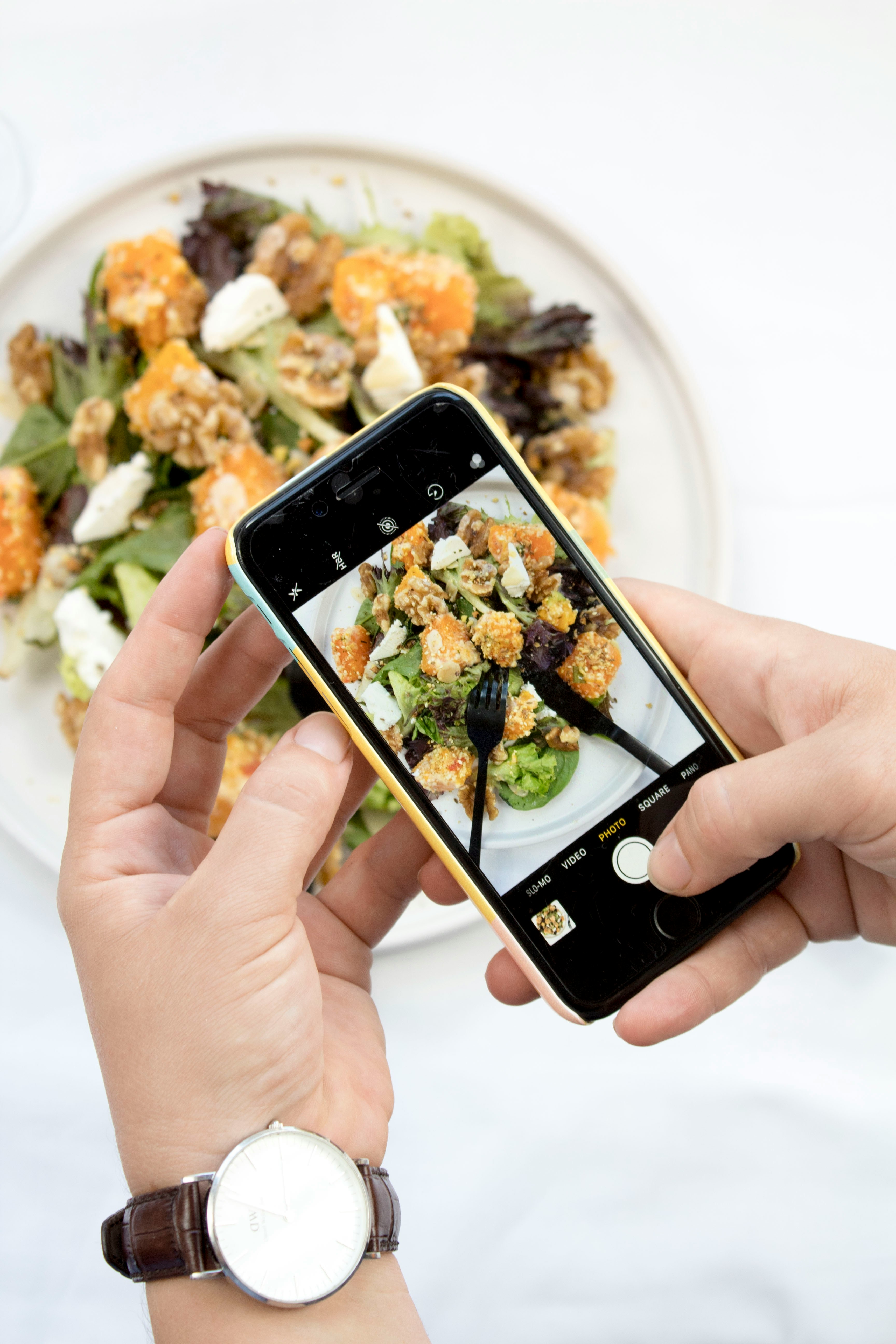
How to fix this? Simply log before or during meals. You can also take photos or jot a quick note in your phone’s notes app if you can’t log in immediately.
Mistake #2: Forgetting the “Invisible” Calories
Most beginners do a solid job tracking the main stuff, like chicken, oatmeal, or protein shake. It’s everything around it that gets forgotten. The usual suspects:
Cooking oil and butter
Condiments
Drinks
Random bites
Coffee orders
Simple rule: if it went in your mouth, it goes in the diary. No exceptions for “it was just a bite” or “I barely put any dressing on.” Those things add up faster than anything else on this list.
Mistake #3: Trusting Random App Database Entries
Here’s something most beginners don’t know: a huge chunk of the food database in popular tracking apps is user-submitted. Anyone can add an entry, and sometimes those entries are wrong.
One food tracking coach searched for “cinnamon roll” in a popular app and got results ranging from 210 to 960 calories for basically the same item. Studies have found calorie discrepancies of up to 13% depending on which entry you pick.
For anything packaged, scan the barcode instead of typing in the name. Barcode data comes straight from the manufacturer’s nutrition label, which is way more reliable than whatever a stranger submitted two years ago.
Mistake #4: Only Tracking on “Good” Days
This is basically lying to yourself with extra steps. If your logging habit vanishes every weekend, every time you eat out, or every time you have a day you’re not proud of, then your diary isn’t showing you your diet.
The whole point of tracking is to spot patterns. When you only log the clean days, you’re cutting out the exact data that would explain why things aren’t working.
You’d never see that Thursday nights consistently wreck your weekly average, or that eating around other people doubles what you’d normally have. The diary says you’re in a deficit. The scale says otherwise. The missing weekend data is usually the explanation.
Log every day for at least four to six weeks, especially the messy ones. The goal isn’t a perfect diary. It’s an honest one.
What if the perfectionist part of your brain makes you want to close the app when a day goes sideways? Remind yourself that nobody else is reading this. It’s not a report card. It’s just information.
Mistake #5: Only Tracking Calories and Nothing Else
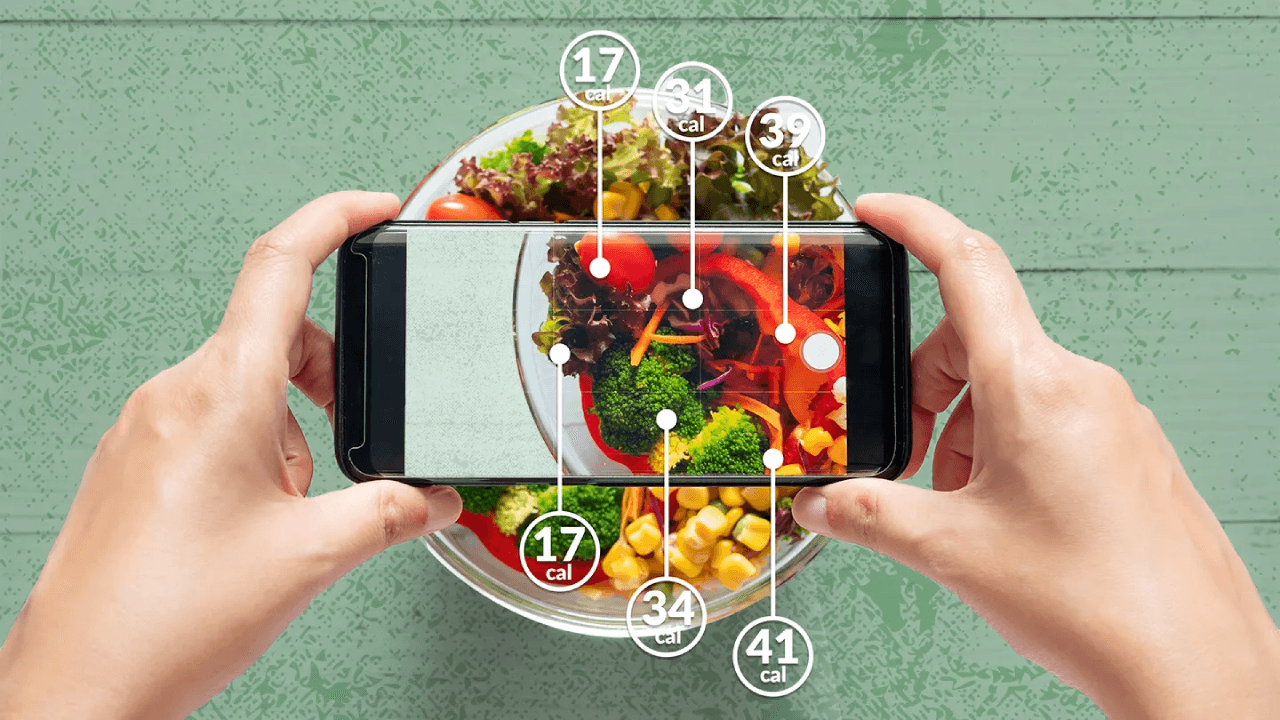
Calories matter a lot. But calories alone don’t tell you much.
A 500-calorie fast-food meal and a 500-calorie plate of salmon and roasted vegetables will hit you completely differently. When the number is all you’re watching, it’s easy to end up eating foods that technically “fit” while feeling terrible and wondering why nothing’s changing.
Calorie tracking won’t tell you that you eat almost nothing all day and then inhale most of your food in a two-hour window at night. It won’t show you that you reach for snacks every time you’re stressed, or that one particular food leaves you foggy and bloated without fail.
That’s the stuff worth knowing. So, alongside the usual logging, just jot down how hungry you were before eating, how full you felt after, and what your mood was like. Thirty extra seconds. It turns your diary from a numbers game into something that actually explains your patterns — which is where the useful stuff lives.
Conclusion
Your food diary is only as good as what you put into it. Like any tool, it only works if you’re actually using it right.
These five mistakes are all fixable. None of them requires a nutritionist or a personality overhaul. Most just need a small shift in how you’re paying attention.
If you’re only going to change one thing this week, make it this: log your food before you eat, or immediately after. That single habit will make everything else more accurate without you having to think too hard about it.
The longer you stick with it, the less it feels like counting and the more it feels like actually understanding yourself.
Ready to level up your tracking? Download Biteme today, set a 30-day commitment to log every single day, and watch what happens to your body.
If this article helped you, consider sharing it with a friend who’s just starting their food tracking journey. The more people who track accurately, the more collective progress we all make!
Share Article
Recent Posts