|

Share Article
You opened the app. You logged your breakfast. You scanned barcodes, weighed your pasta, and obsessed over your macros.
Sound familiar?
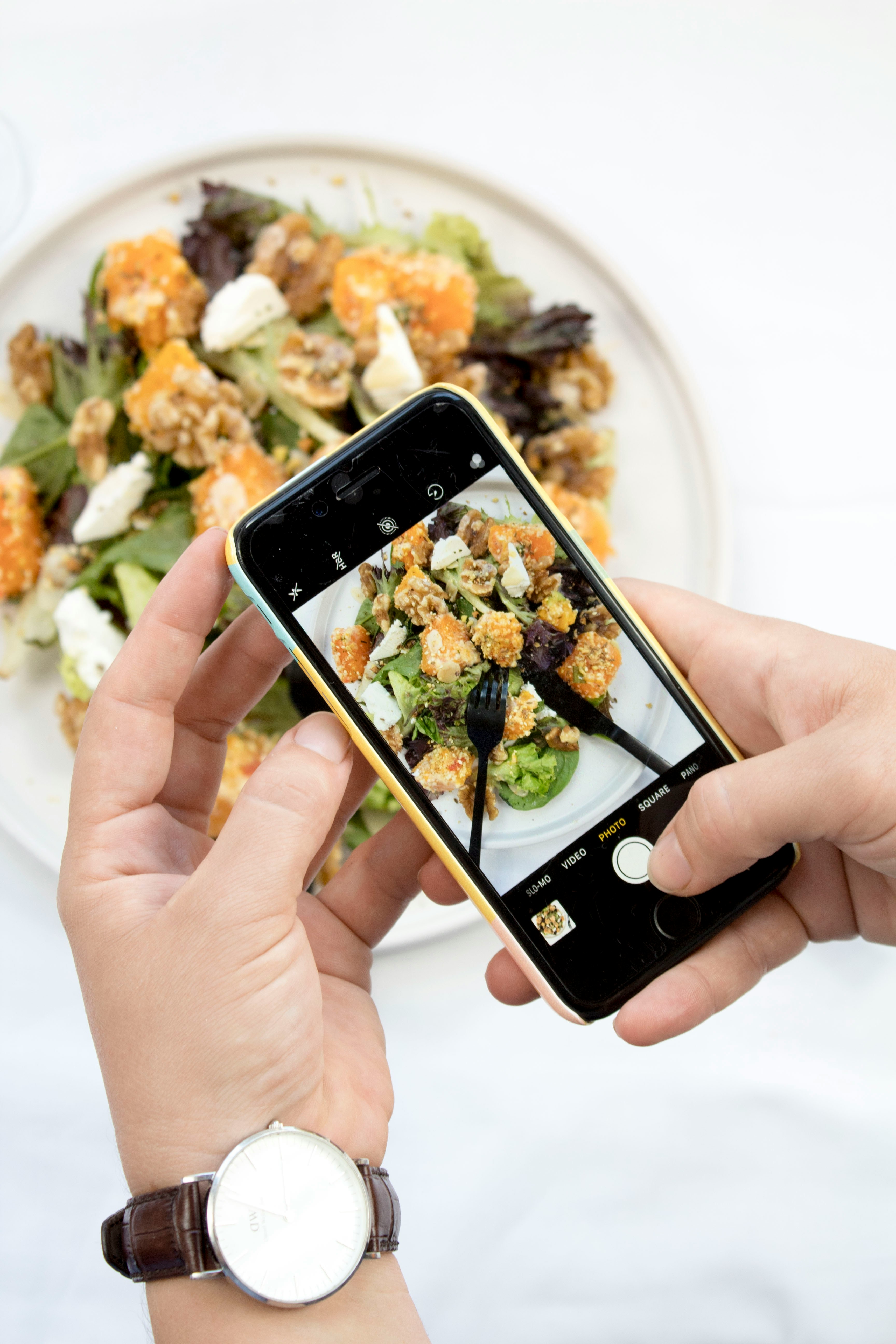
Millions of people are using food tracking apps every day. For many, it becomes an almost automatic part of life. But here’s the question most app companies don’t want you to ask: Should you use a food tracker forever?
There’s no simple “yes” or “no” answer here. It’s a bit more complicated than that.
In this post, we’re diving into whether you actually need to track your food forever. We’ll look at the perks (and the pitfalls) of long-term tracking and, more importantly, how you can eventually move toward more flexible, intuitive habits without losing your progress.
What Food Tracking Actually Does to Your Brain
Source: Nan_Got / Shutterstock
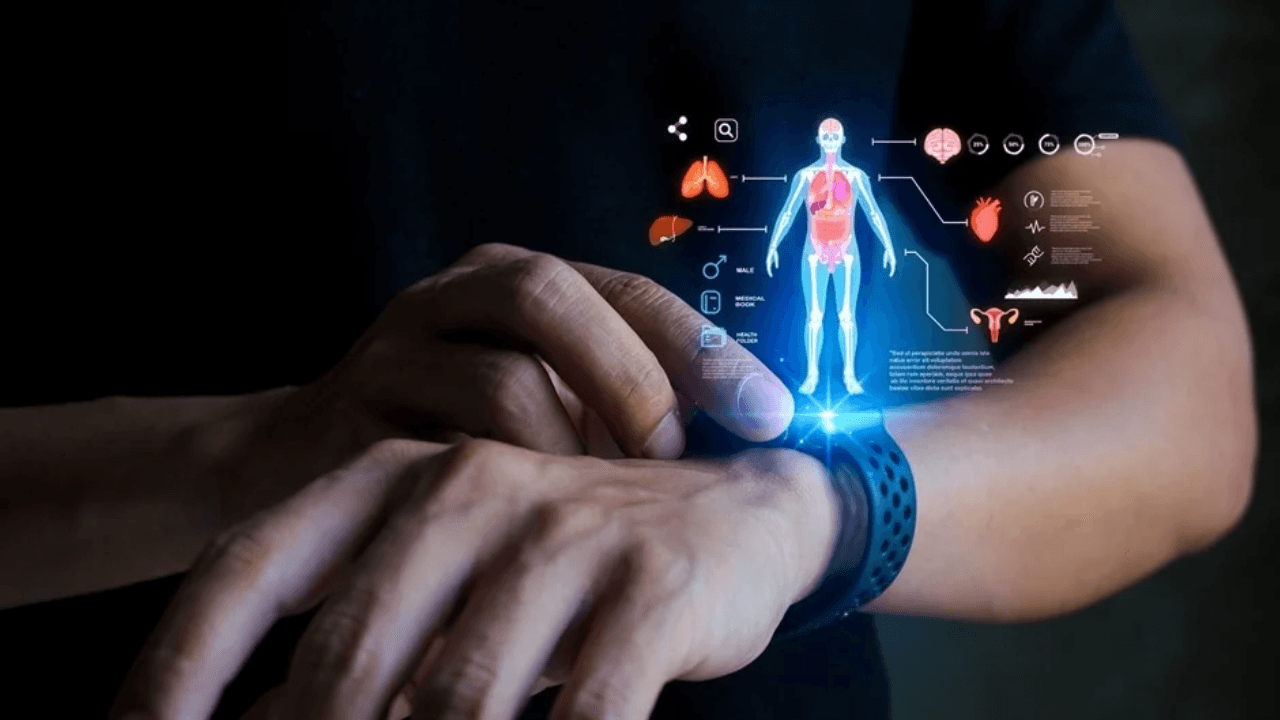
Before we tackle the “forever” question, it helps to understand what food tracking does to your diet and your relationship with food.
Food tracking apps are really just about paying attention to what you eat. When you log your meals, you start noticing patterns you never noticed before. Most people are pretty surprised when they first start tracking. That “light” salad dressing was 300 calories or that breakfast was half the day’s budget before 9 AM.
This awareness phase is really where tracking works its magic. Research from Frontiers in Digital Health (2024) shows that using an app actually helps people stick to healthier habits in the long run.
Psychologists have a fancy name for this: a “metacognitive shift.” It just means you stop eating on autopilot and start actually thinking about what’s on your plate. You’re making conscious choices instead of just grabbing whatever’s in front of you.
But your brain can’t stay in “high alert” mode forever. After a few months of logging every single snack, the novelty starts to fade. Logging becomes a chore rather than a revelation. Whilst it’s totally normal, your new habits have either solidified or plateaued, and the tool that sparked the change may no longer be necessary to maintain it.
Why Food Tracking Indefinitely Can Backfire
While the benefits of short-to-medium-term food tracking are well-supported, the picture changes significantly when tracking becomes a permanent, non-negotiable fixture of daily life.
It Can Disconnect You From Your Body’s Signals
Your body is actually pretty good at telling you when you’re hungry or full, only if you listen to it.
The biggest downside to long-term tracking is that you eventually stop listening to your own body.
You end up eating just because an app says there’s room in the budget, even when you’re not hungry. Or you cut yourself off the second you hit a specific number, ignoring the fact that you’re still starving.
It Can Fuel Perfectionism and Food Anxiety
There’s a fine line between being aware of what you eat and becoming obsessed with it. You start avoiding restaurants because you can’t log the meal accurately. You feel guilty about a snack you forgot to track. You’re mentally calculating macros at dinner with friends instead of just enjoying the food.
At some point, it starts to feel a little arbitrary. You’re agonizing over one extra gram of rice. That’s not a healthy relationship with food.
The Research on Disordered Eating Is Sobering
Science is increasingly paying attention to the darker side of food tracking apps. A 2024 study found that while food tracking reduced emotional eating and anxiety, it also increased general disordered eating symptoms.
Other research found that diet and fitness apps can backfire partly because they tend to zero in on weight loss above everything else.
One thing researchers keep finding: why you’re tracking matters as much as how. People who track mainly for weight loss or body image reasons are significantly more likely to develop disordered eating symptoms than people tracking for general health. That’s a pretty important distinction.
Signs You’ve Outgrown Your Food Tracker
If tracking every meal feels like a chore or adds stress to your day, it’s okay to stop. You may no longer need to track if:
You’ve maintained your goals for 3-6 months without major deviations
You can accurately estimate portion sizes and macros without an app
You feel anxious, guilty, or stressed when you can’t log a meal
Social eating situations cause disproportionate worry
You’ve lost the ability to eat spontaneously without calculating
Tracking feels like a chore rather than a helpful tool
How to Transition Away From Food Tracking Gracefully
Quitting cold turkey can feel pretty disorienting. A slower wind-down tends to work a lot better. Here’s a step-by-step transition plan for you:
Weeks 1-2: Stop logging dinner. Keep tracking breakfast and lunch if that feels comfortable, but let dinner be intuitive. Notice how it feels to eat without immediately reaching for your phone.
Weeks 3-4: Track macros only, not calories. Just focus on hitting your protein and fiber.
Weeks 5-6: Switch to weekly check-ins instead of daily logging. Are you eating enough vegetables? Enough protein? Track rough estimates only because that’s all you need.
Month 2+: Default to eating intuitively. Only pull the app back out if your habits start slipping or you’re working toward something specific.
The goal is to take everything you learned from tracking and just... carry it with you. You don’t need the app to apply what you already know.
Helpful vs Harmful App Features
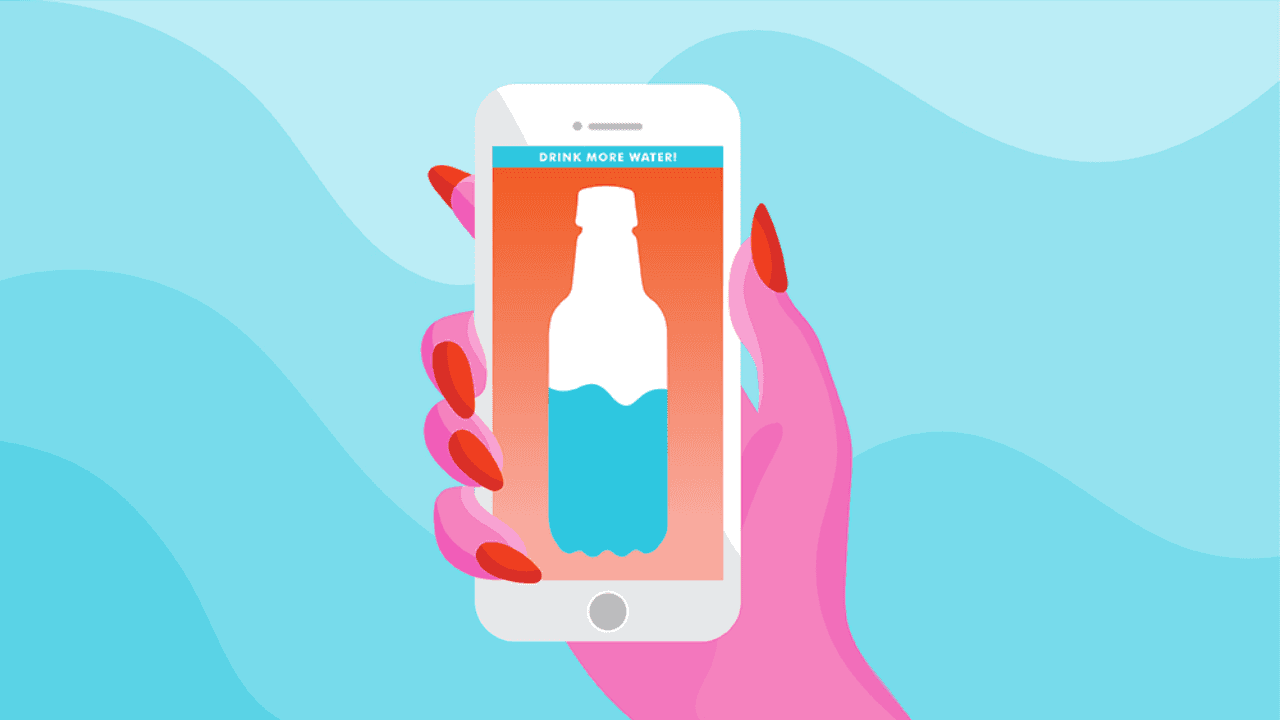
Not all tracking apps are built the same, and the features you actually use make a big difference.
Features worth using:
Macro and micronutrient breakdowns
Meal templates and quick-log options that don’t eat up your time
Hydration and fiber tracking
Integration with sleep and energy data
Features to watch out for:
Some apps track “net carbs” you won’t find on any nutrition label, give foods a proprietary “health score,” or start handing out diet advice of their own. Once an app goes beyond logging into telling you what to think about food, take it with a grain of salt.
Other red flags include labels that sort food into “good” and “bad” categories, aggressive streak notifications that make you feel guilty for missing a day, calorie counts precise enough to create a false sense of certainty, and “remaining calories” framing that turns
Frequently Asked Questions
How long should I actually use a food tracker?
Most nutrition pros suggest a solid 4-8 week stint to get a real baseline of your habits. Those focused on weight loss often find themselves logging for 3-6 months.
Can food tracking cause eating disorders?
It’s complicated. For people with no prior risk factors, the research suggests tracking doesn’t cause eating disorders.
One major study found that introducing calorie-counting apps to low-risk people had basically no effect on eating disorder symptoms. But for people who are already vulnerable (history of disordered eating or high body dissatisfaction), tracking can make things worse.
The biggest risk factor seems to be why you’re tracking. Doing it mainly to control your weight or appearance is linked to much higher rates of disordered eating than tracking for general health or curiosity.
What are the best alternatives to daily tracking?
The plate method, weekly meal planning, and photo food diaries are all solid options. A registered dietitian is worth looking into, too, if you want something tailored to you specifically.
Is macro tracking better than calorie tracking?
Generally, yes. It gets you thinking about food quality instead of just numbers. The risks are pretty similar though if you keep it up forever, mainly that you stop trusting your own hunger. Most nutrition experts treat both as good short-term tools, not something you’d do for life.
What if stopping tracking makes me anxious?
Feeling a bit of anxiety about stopping is completely normal. You’ve built a solid routine, and the app has probably started to feel like a safety net. Taking a slow, gradual approach to winding down helps you get comfortable trusting your own gut again.
But when the thought of not logging feels genuinely overwhelming, it’s a good idea to chat with a therapist or a dietitian. Food should feel like a source of freedom, not something that requires an app to manage.
Key Takeaways
Has food tracking been a game-changer for your health, or has it ever felt like more trouble than it’s worth? We’d love to hear where you are on your food tracking journey!
If you’re looking for a comprehensive food tracking app, download Biteme today! Our app is designed to work with your instincts rather than replace them.
Share Article
Recent Posts