|

Share Article
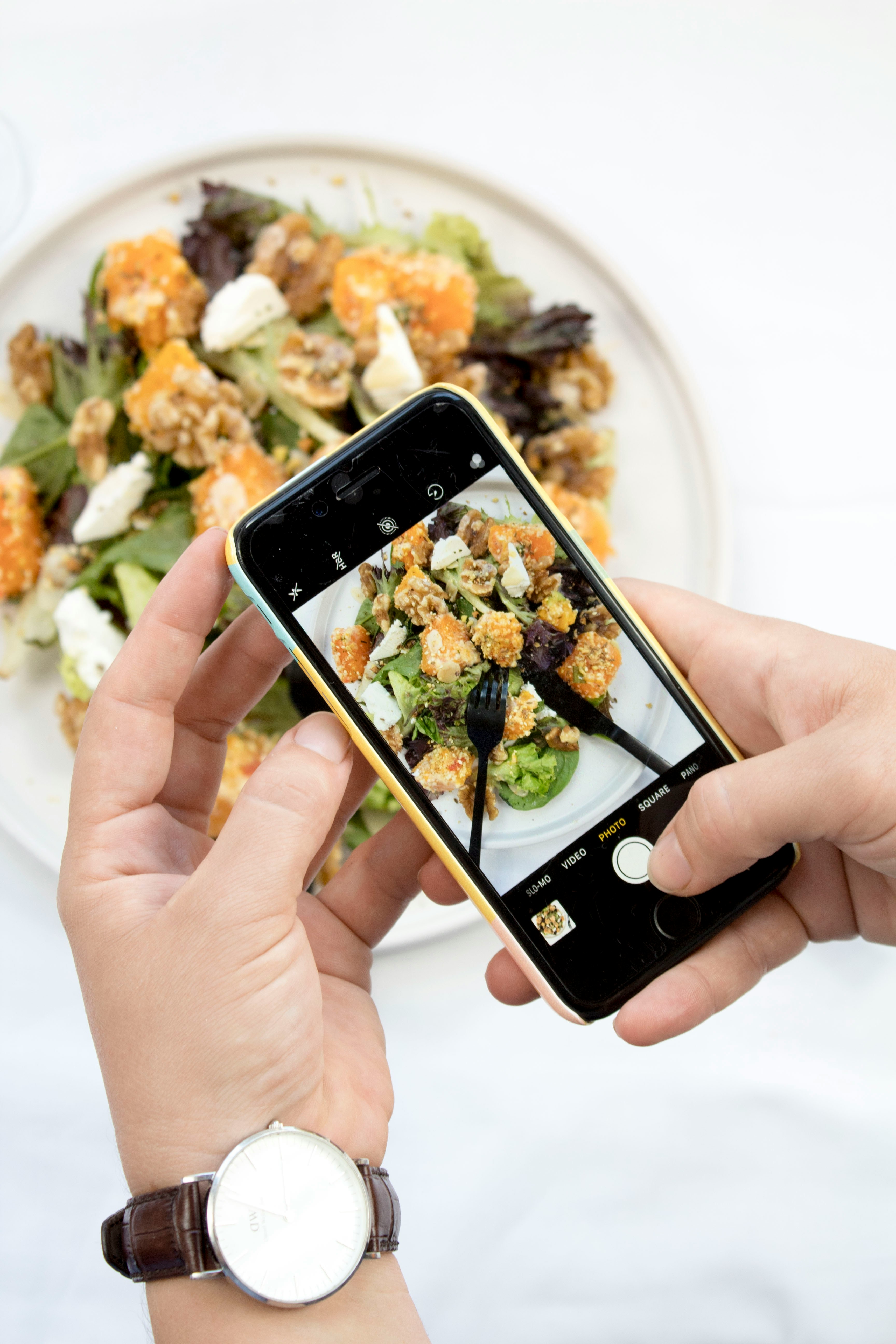
Modern entertainment apps are basically built to keep you hooked as long as possible. Infinite scrolling, autoplay, short videos, algorithmic rabbit holes... they don’t just steal your attention, they mess with the way you eat, too. The deeper you fall into content, the less you notice whether you’re actually hungry, full, or three handfuls into a bag of chips.
For anyone trying to track their food, this creates a pretty annoying loop. You can log every meal, nail your macros, and eat well all day, then quietly blow past your goals while mindlessly snacking at night in front of your phone.
In this article, we’ll get into why the “snack scroll” keeps happening, how TikToks, streaming platforms, and endless feeds influence your appetite, what science says about distracted eating and memory, and how food tracking apps can help you stay aware of your habits without making food feel stressful or obsessive.
What Exactly Is the Snack Scroll?
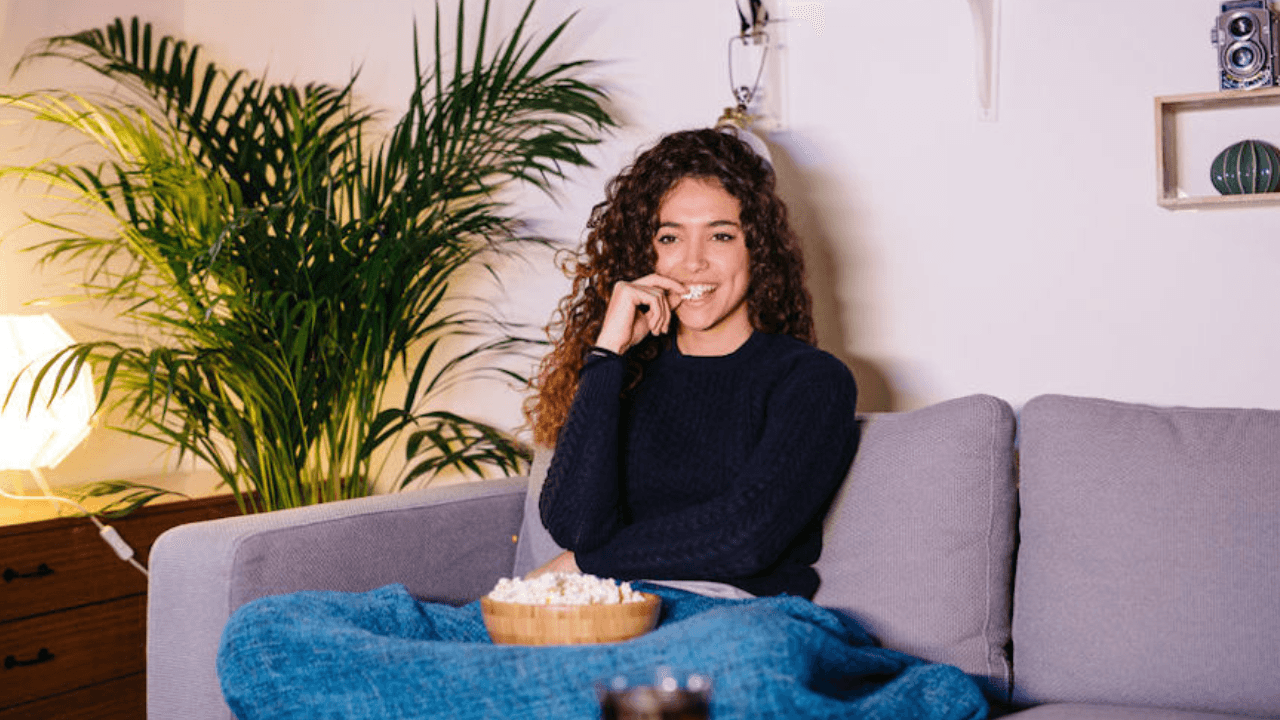
The term snack scroll captures a behavior pattern most of us recognize instantly: eating while consuming digital content. It’s the chip bag beside the laptop, the popcorn that vanishes before the opening credits end, the “just a handful” of nuts that turns into a fistful every commercial break, except there are no commercial breaks anymore, which is half the problem.
Why the Modern Version Is More Powerful Than TV Dinners
Streaming platforms and social apps are designed to keep you watching without interruption. Autoplay, infinite scroll, recommendation algorithms... all of it is built to remove any natural stopping point. The moment you might have put the bag down or noticed you were full just gets skipped over.
Are you tracking your food intake or trying to stay within your calorie budget? Snack scrolling can be a huge problem for you.
The calories you eat in front of a screen are the ones most likely to never make it into your app, because honestly, you barely register eating them at all.
Why Your Brain Basically Checks Out While You’re Watching
Your attention only stretches so far. When a show or video grabs it (and good content is literally designed to do that), there’s not much left over for anything else. Your brain is normally tracking hunger, fullness, and how much you’ve eaten in the background. But when the foreground is too loud, those background signals just get ignored.
The “wait, I’m full” message arrives late
When you eat normally, your body sends fullness signals from a few different directions. Your stomach stretches, and hormones like leptin and GLP-1 kick in.
All of this takes time, but the visual stuff is actually the fastest cue your brain can work with. Noticing your plate is almost empty, watching your portion get smaller... those are quick, easy signals to act on. Screens kill that loop completely. You’re watching the show, not your bowl.
The “Forgotten Meal” Effect
Here’s the part that might actually surprise you: eating while distracted doesn’t just make you eat more in the moment, it makes you eat more at your next meal, too. When your attention is split, your brain forms weaker memories of the eating experience. You literally just... don’t remember it as well.
Because your hunger system partly relies on remembering what you ate to calibrate your appetite, weaker food memories mean you feel hungrier sooner and eat bigger portions later.
For anyone logging food in a tracking app, this matters a lot. The meals you eat in front of a screen are exactly the ones you’re most likely to under-report, not even on purpose, just because they didn’t really register in the first place.
Does What You Watch Actually Matter?
Source: Global News / Getty Images
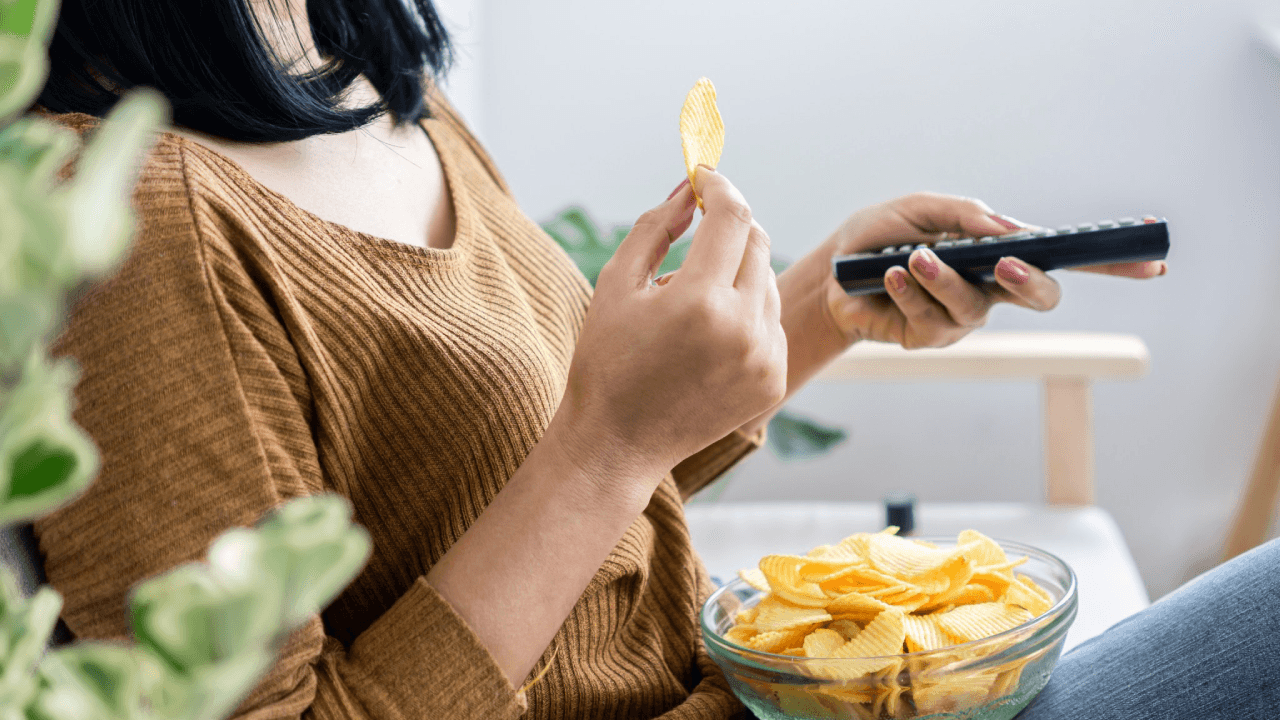
Turns out, yes. The type of content you’re watching can influence what you reach for and how much you eat, not just how zoned out you are.
Stressful vs. Chill Content
Watching something tense, like a thriller or an intense drama, actually triggers a mild stress response in your body. That cortisol spike can push you toward fattier, sugary comfort foods and makes it harder to consciously pump the brakes on how much you’re eating.
But even relaxing content has its own issue: it just keeps you sitting there longer, which extends the eating window, whether you’re stressed or not.
Short-Form vs. Long-Form Content
Short-form content like TikToks, Reels, and YouTube Shorts works a little differently. There’s no plot pulling you in, but the constant novelty does the same job. Every new clip is a tiny little reward hit, and your hand kind of just... keeps going back to the snack. The motion becomes almost automatic, synced up with the scroll. If anything, people tend to eat faster and with even less awareness during short-form browsing than during a regular show.
Watching Food Content Is Its Own Trap
Cooking videos, food vlogs, restaurant reviews... these trigger appetite even when you’re not actually hungry. Seeing delicious-looking food on screen activates the same anticipatory hunger response as actually smelling food in real life. You weren’t hungry before you opened the app. Now suddenly you are.
How to Break the Snack Scroll Cycle: Science-Backed Strategies
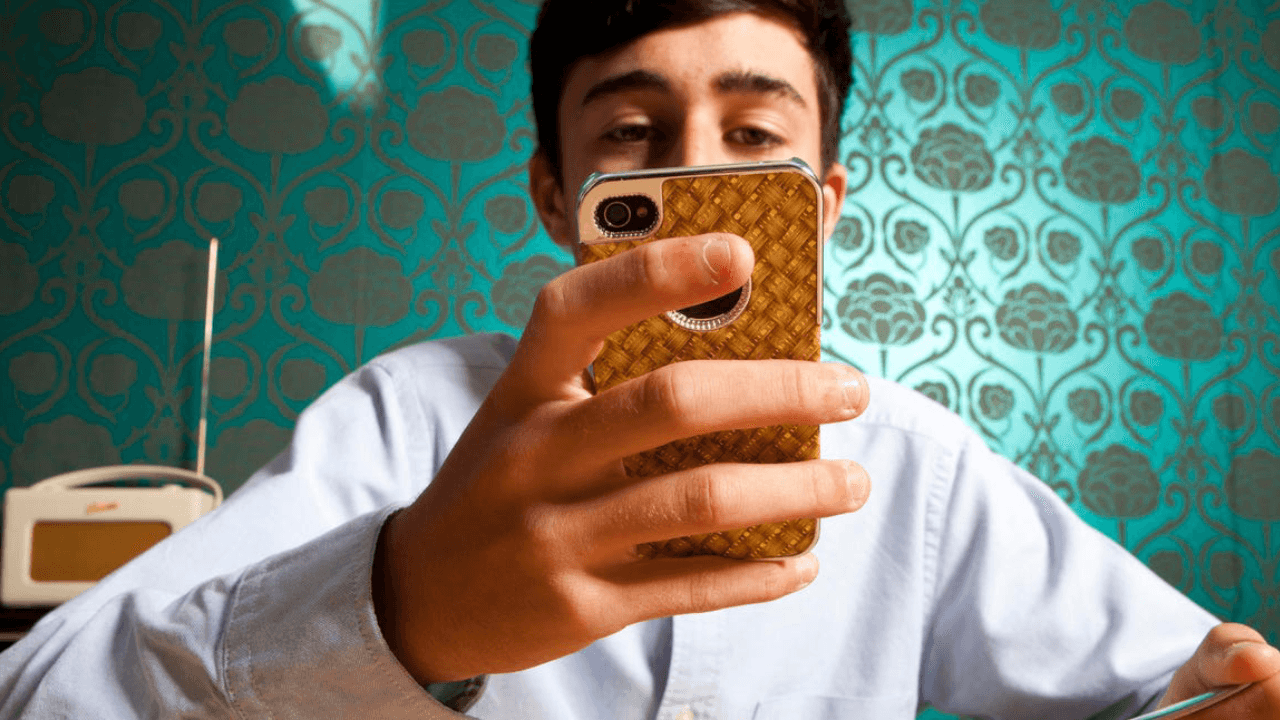
Telling someone to “just stop eating in front of screens” is about as effective as telling someone to “just stop being stressed.” The snack scroll is habitual, neurologically reinforced, and culturally normalized. Instead of eliminating, the goal is to redesign.
1. Pre-log your screen snack before pressing play
Decide what you’re having, log it in your app, portion it out, and only then start the content. This uses the app as a commitment device rather than a post-hoc journal.
2. Use bowl architecture, not bag access
Always transfer snacks to a defined vessel. Eating from a bag means no visual cue for “done.” A bowl creates a natural endpoint that the brain can register.
3. Install a 2-minute pre-screen ritual
Before starting any content, take two minutes to eat a small, satiating snack deliberately and without screens. A few bites of protein, a glass of water. This front-loads some satiety and reduces the urgency to graze.
4. Log immediately, even rough estimates
Don’t wait until the episode ends. The snack scroll degrades memory fast. A rough log entered immediately is far more accurate than a careful reconstruction an hour later.
5. Designate one screen-free eating zone
Even if it’s just the kitchen table for ten minutes, creating a physical eating anchor trains the cue-behavior association away from the couch.
6. Give your hands an alternative job
Knitting, sketching, folding laundry, or holding a warm drink occupies the hand-to-mouth reflex loop without adding calories. This is habit substitution, not avoidance.
7. Use your app’s meal timing data as an audit tool
Review your logs weekly for gaps that consistently appear in the evening window. If dinner was your last entry at 6 PM and you watched content until 11 PM, investigate that window honestly.
Mindful Eating in the Streaming Era
Mindful eating doesn’t require silence, a linen tablecloth, and an attitude of Buddhist contemplation. Practical mindfulness for the snack scroll era means creating small moments of awareness, not a lifestyle overhaul.
The Pause-and-Check Method
Once per episode (roughly every 40 minutes), pause the content for 30 seconds. Look at what you’ve eaten. Register how you feel physically. This single intervention can significantly increase satiety awareness because it forces the conscious brain to briefly process what the background monitoring system has been trying to signal for the past 30 minutes.
Making Food Worth Noticing Through Sensory Eating
One underappreciated consequence of the snack scroll is that it makes food less enjoyable while making us eat more of it. Flavor perception requires attention.
When your brain is fully occupied by a screen, the same foods taste less intense, less satisfying. People often eat more during screen time partly because the food isn’t delivering the sensory reward it normally would, so they keep reaching for the next handful, trying to “get the taste.”
Choosing flavor-forward, texturally interesting foods during screen time can actually reduce total consumption because each unit delivers more sensory satisfaction.
The “Before I Log This” Prompt
Before picking up a snack during content, ask yourself the app’s question before the app does: “Why am I eating this? Is it hunger, habit, or just because it’s there?”
You don’t have to stop yourself. The pause alone can reduce automatic grazing by creating a micro-interruption in the cue-behavior chain.
Key Takeaway
The snack scroll problem is neurologically driven, not a willpower failure. The goal isn’t to watch less, eat less, or feel guilty about how Tuesday evening unfolded.
The goal is to close the gap between your logged reality and your actual reality.
We want to hear from you: What’s your biggest screen-snacking challenge? Share your experience and tag a friend who’d recognize this situation a little too well.
For food tracking app users, your app can only reflect what you give it. Pre-log your snacks and give them the full picture. Small, durable changes make the biggest difference.
If you need an all-in-one food tracking app, download Biteme today! Scan food, count calories, and master your health all in one place.
Share Article
Recent Posts