|

Share Article
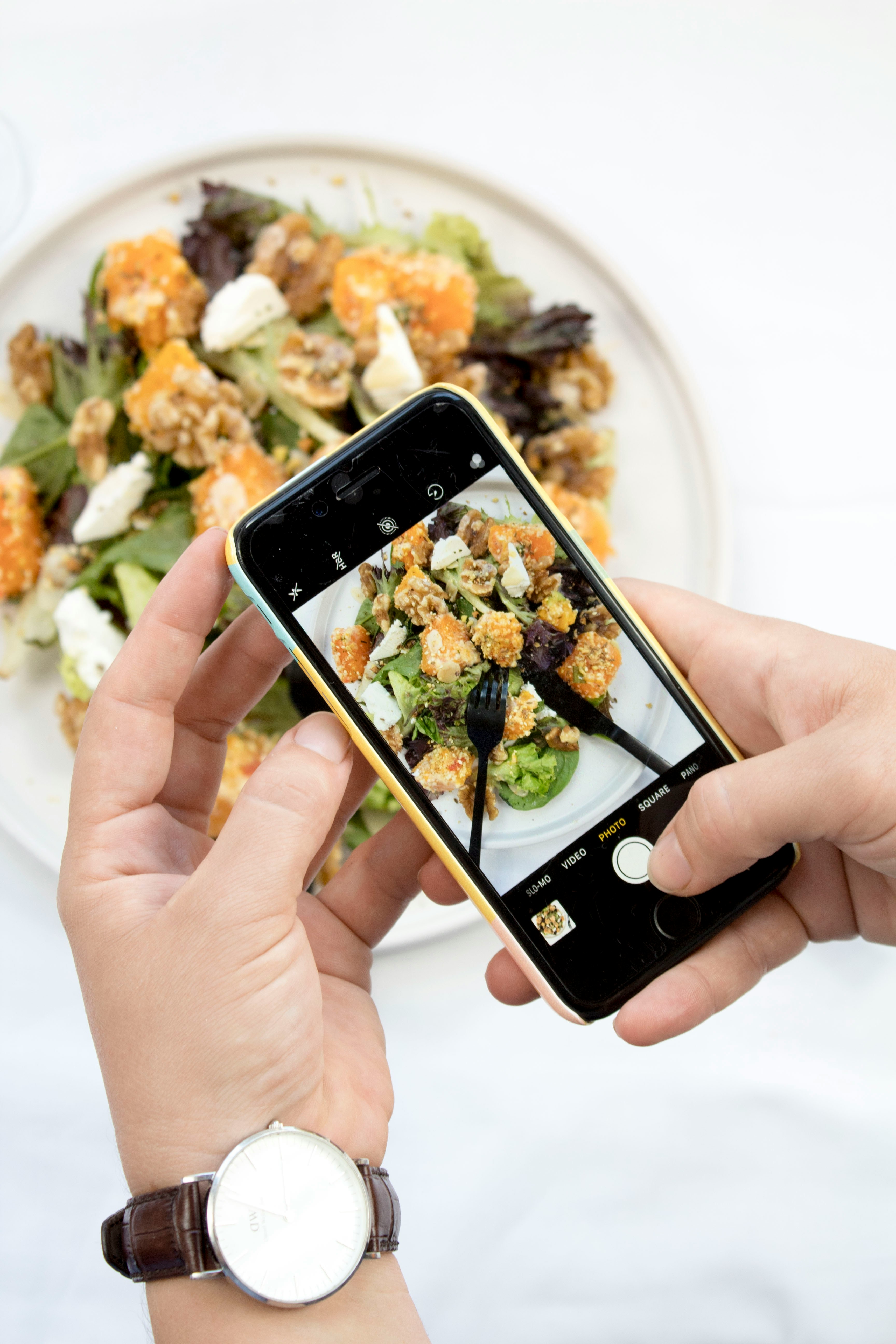
Ever used a food tracking app before? You probably already know the drill: log meals, check calories, and maybe peek at your macros. But there’s a lot more hiding in there if you know log where to look.
Once you start logging consistently, things start to surface. Maybe you snack every night around 10 PM. Maybe you skip breakfast whenever work gets hectic. Maybe stress sends you straight to something sweet. These patterns matter a lot.
They are the “why” behind what you eat, not just the “what.”
It’s why dietitians and doctors recommend food journaling so often. Tracking doesn’t just record your habits; it makes you aware of them. It turns out that just being aware of what’s happening is most of the battle. Once the data is right in front of you, it’s a lot harder to ignore.
This guide breaks down what those patterns actually look like in the real world and, more importantly, how to use that intel to actually change things.
Why Awareness Changes Everything
First things first, it helps to understand why food logging does anything at all.
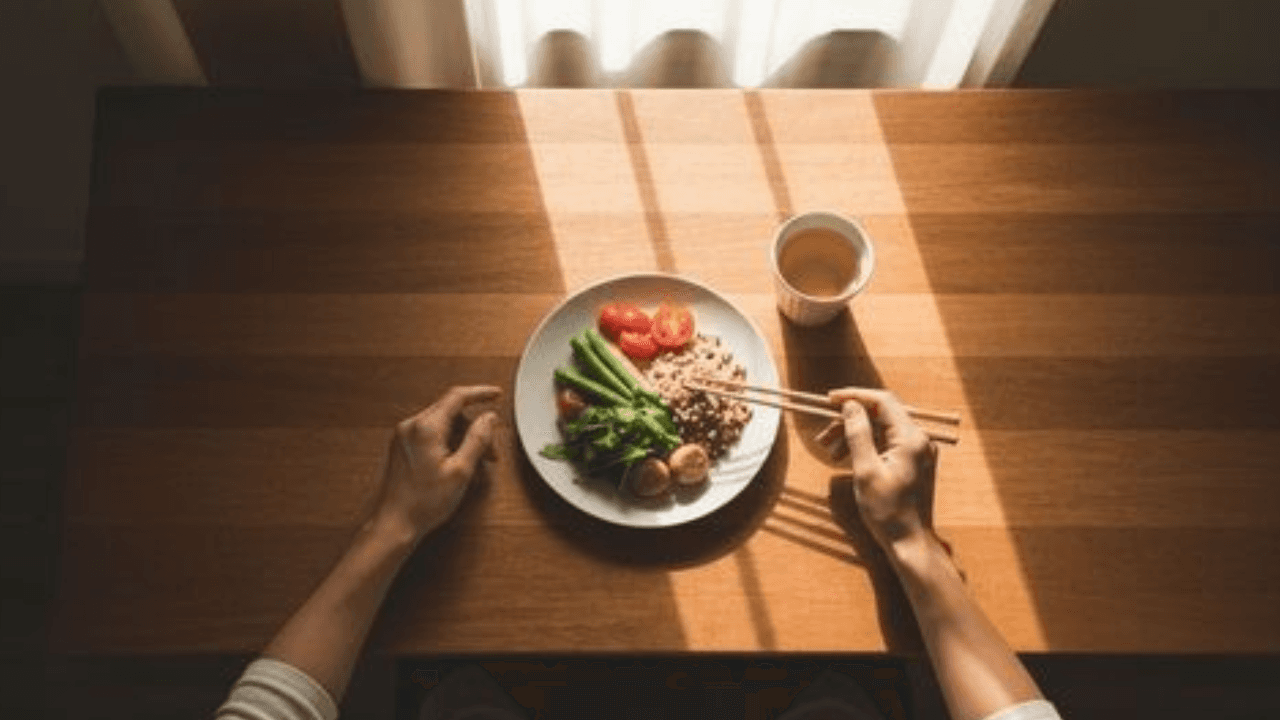
Cognitive science basically says we spend most of our lives on autopilot, especially when it comes to food. Think of food logging as jamming a stick into the spokes of your autopilot loop. It creates this brief, intentional pause between “I want that” and “I’m eating that.”
In other words, the moment you have to type “handful of chips” into your app for the third time this week is the moment you start asking yourself why.
That friction is actually the whole point. Logging creates awareness, and you can’t really fix what you aren’t looking at.
Another huge factor is accountability. A massive study of around 1,700 people found that those who kept daily food logs lost twice as much weight as those who didn’t track a thing.
To be clear, the app isn’t magically burning calories for you. It’s just way harder to mindlessly snack when you know you have to own up to it on a screen later.
Hidden Patterns in Your Daily Eating Routine
Your food log shows you when you eat, and it’s often not what you’d expect.
Scroll back through a full week and look at the timing. Are you eating most of your calories early in the day or late? Are there huge gaps between meals? Do you skip breakfast and then basically inhale everything in sight by 3 PM?
The Late-Night Eating Trap
A lot of food logs show the same thing: light eating during the day, then a calorie avalanche after dinner. In reality, it’s a timing problem. Your body handles food differently depending on the clock. Eating late on a regular basis can mess with your blood sugar and sleep quality.
Seeing a massive spike in your log at night usually isn’t a “lack of willpower” problem. It’s just a timing issue. Shifting your schedule to include more protein in the morning makes a world of difference. You’ll be surprised how much less hungry you feel by the time 9 PM rolls around.
Weekdays vs. Weekends
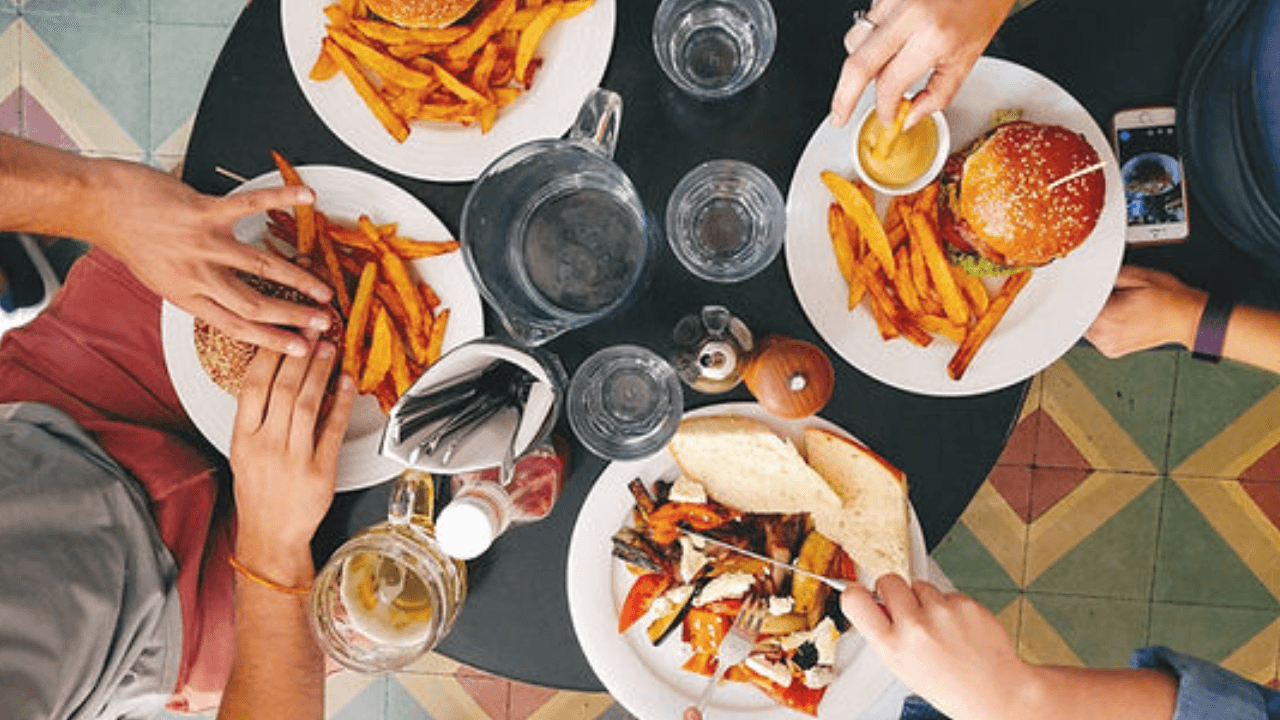
Do you eat really well Monday through Thursday and then completely unravel come Friday night? Your log will make this painfully obvious. A lot of people are genuinely surprised to find that their weekend eating wipes out most of the progress from the week, not because of social pressure, but because the weekend has become mentally coded as “I earned this.”
Seeing that pattern is actually useful, though. If you know Saturdays tend to go sideways, you can plan for it instead of just letting it happen.
How Food Logs Reveal Emotional Eating Triggers
Food isn’t just fuel, and your log tells that story, too.
Stress, boredom, loneliness, and even big celebrations all show up in what you eat and when.
The tricky part is that these patterns are almost invisible until you start writing them down. Once they’re in black and white, though, the “why” behind your choices becomes pretty obvious, pretty fast.
For example, someone might discover that they:
Reach for sugary snacks during stressful workdays
Eat larger portions when dining alone
Snack out of boredom while watching TV
Once you spot the pattern, you can actually do something about it. It’s a lot easier to develop healthier coping strategies. For instance:
Stress eating → replace with short walks or breathing breaks
Boredom snacking → replace with engaging activities
Emotional cravings → prepare healthier snack options
The goal here isn’t to emotionally eat again. That’s not realistic, as food is tied to feelings for basically every human being on the planet. The real win is just knowing when it’s happening, so it becomes a conscious choice rather than an accident.
The Nutritional Gaps Your Log Quietly Exposes
Beyond the behavioral stuff, your food log is also a nutritional audit. Most people are genuinely surprised by what they find missing.
The Fiber Gap
Most people are only getting about half the fiber they actually need. In a food log, this usually looks like the following:
A lot of refined carbs
Very low vegetable intake
A total absence of things like beans or whole grains
If you’re hitting your calorie goals but still feel like snacking all day long, a lack of fiber is almost always the culprit.
The Micronutrients Nobody’s Thinking About
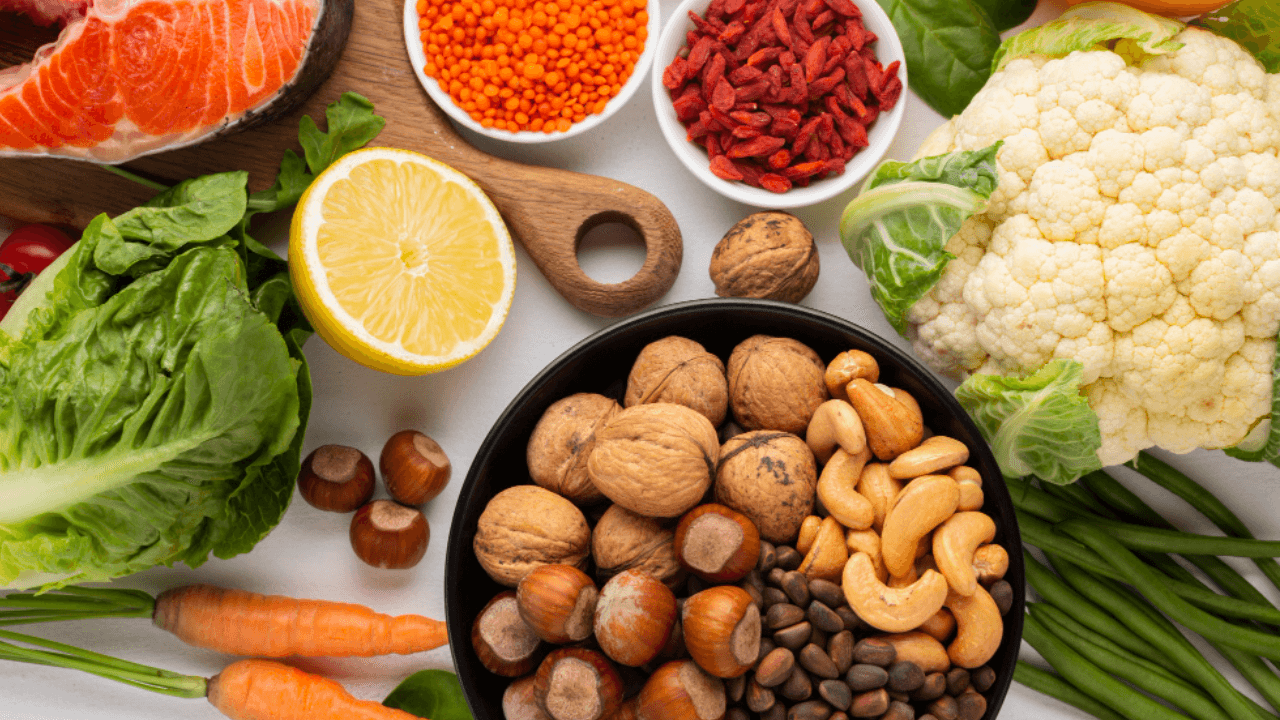
If your app breaks down more than just macros, it’s worth scrolling past protein and carbs occasionally. Here are some of the most common gaps that tend to pop up:
Magnesium: Low in most diets; linked to poor sleep and muscle cramps
Vitamin D: Almost impossible to get enough from food alone; most logs show close to zero dietary sources
Potassium: Chronically low in diets heavy on processed food; tied to fatigue and high blood pressure
Iron: Especially relevant for women; plant-heavy logs often show an absorption issue when there’s no vitamin C paired with iron-rich meals
The Role of Habitual Foods and Repeat Meals
Here’s something most people don’t think about: you probably eat a much smaller variety of meals than you think. Most food logs, when you look back over a few weeks, show the same breakfasts cycling through, the same lunch spot, the same handful of dinners.
That’s not a bad thing. Repetition actually makes healthy eating easier. Fewer decisions, less mental load.
The useful move is to look at which meals are in your regular rotation and just make them a little better. More vegetables here, a protein bump there, a smaller portion of the thing that keeps putting you over. This way, you are upgrading what you’re already doing.
How to Actually Read Your Food Log
Most people treat their food log like a receipt: generated, glanced at, and forgotten. Here’s a better way to use it.
The Weekly Review
Once a week, scroll back through everything and actually look at it. Not to judge yourself, just to notice things. A few things worth checking:
Timing - Are there specific days or times when everything goes sideways?
Mood patterns - Do certain feelings keep showing up around certain foods?
Social context - Does eating out or eating with specific people consistently throw you off?
Nutritional blind spots - What do you eat almost every day, and what never shows up at all?
The weekend effect - Does your weekend log look like it belongs to a completely different person?
You don’t need to fix everything at once. Just pick one thing that jumps out and work on that.
Turning What You Find Into an Actual Goal
Vague goals don’t work. “Eat more vegetables” goes nowhere. But “eat three servings of vegetables a day for the next two weeks” is something you can actually track and measure.
That’s the shift from passively logging food to actively using what you find. Your log is already collecting the data. The weekly review is just the step that turns it into something
Quick Takeaway
Every time you open your app, you’re choosing awareness over autopilot.
Start simple. Log one week of meals honestly and in detail. Don’t even worry about changing anything yet, just observe. At the end of the week, look back and check for those patterns we talked about: the timing of your meals, your snacking habits, emotional triggers, or those nutrient gaps.
Ready to start uncovering your own eating patterns? Download Biteme for free on the App Store and start logging today. In just a week, you might discover insights that completely change how you look at food.
Share Article
Recent Posts