|

Share Article
You’ve been logging meals and being consistent with food logging. Then without warning, everything stops. The scale doesn’t budge for a week. Then two. Then three. You haven’t changed a thing, yet progress has completely stalled.
Welcome to the weight loss plateau. It’s easily one of the most frustrating parts of any health journey. The wild part? Nearly 85% of people hit one at some point. Yet most people are completely blindsided when it happens to them.
But here’s the silver lining: that food tracking app you’ve been using is actually your best tool for fixing this. You just have to know how to use the data it’s already collecting.
In this post, we’re diving into why these stalls happen and how to use your app to find the "why" and get things moving again.
What Is a Weight Loss Plateau?

Source: Pritikin Longevity Center
A weight loss plateau is like a “stall” that lasts for two or three weeks. During this period, your weight refuses to budge even with continued effort with diet and exercise. It’s not a bad week or a temporary fluctuation. It’s a genuine stall in fat loss progress.
The most annoying part? Plateaus usually happen because your diet was actually working. As you lose weight, there’s literally less of you to move around, so your body doesn’t need as much fuel to function. That calorie deficit that was melting fat a month ago? It slowly shrinks until it’s not a deficit anymore. Suddenly, the amount of food that used to help you lose weight is now just your "maintenance" amount.
The Set-Point Theory Explained
One of the biggest reasons you hit a wall is something called the set-point theory. Basically, your body has a "happy place" or a weight range it’s used to and wants to defend.
Once you lose weight, your body reads that as a threat. It starts messing with your hormones to get you back to that old equilibrium.
It’s a double whammy because leptin (the hormone that tells you you’re full) drops, while ghrelin (the "feed me" hormone) spikes.
So you end up hungrier and burning fewer calories at the same time. Your body is essentially trying to "outsmart" your diet.
Water Weight vs. Real Fat Loss Stalls
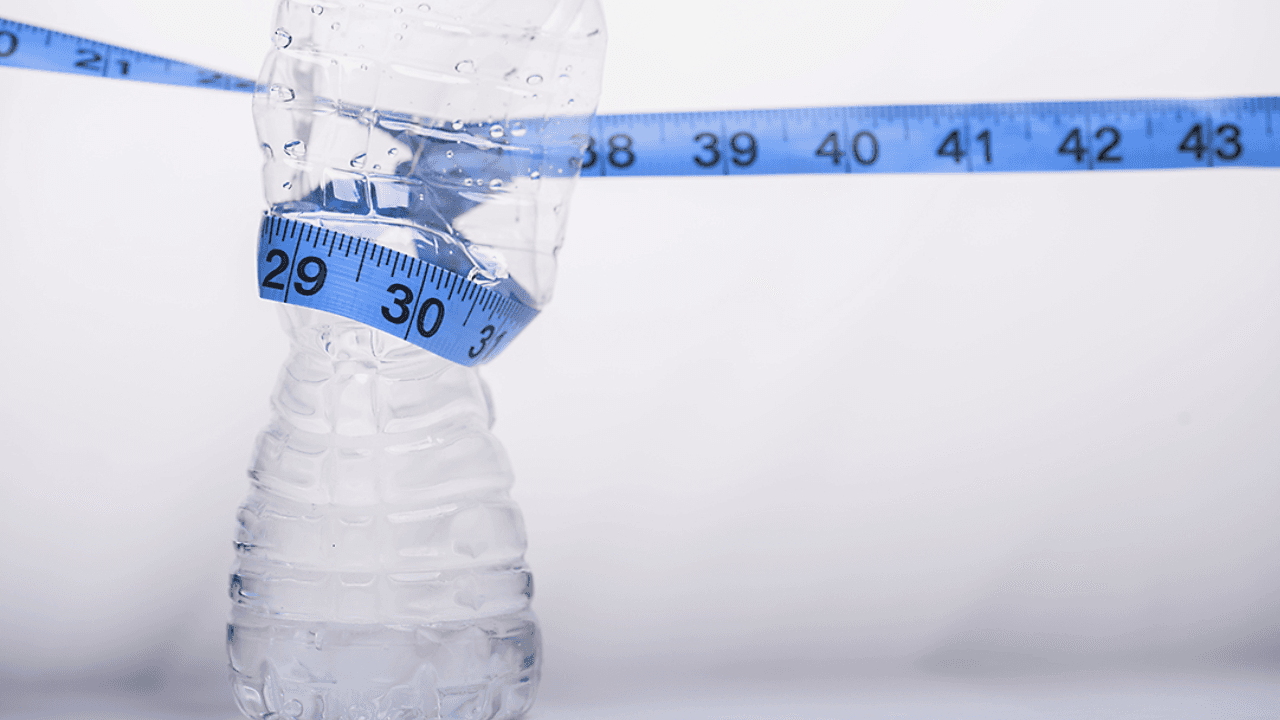
Let’s talk about the difference between a real plateau and just... being a human. Your weight can easily swing by 2-5 pounds in a single day thanks to water retention, salt, or hormones. This stuff is totally unrelated to actual fat. One carb-heavy meal can temporarily bump the scale by a couple of pounds, but it honestly means nothing.
Here’s a quick science thing worth knowing: for every gram of carbs your body stores (as glycogen), it hangs onto about 3-4 grams of water. So, that big pasta dinner didn’t actually turn into fat overnight; it just invited some extra water to the party.
Why Food Tracking Is the First Tool to Reach For
When the scale stops moving, most people instinctively want to change their exercise routine. And while fitness adjustments certainly help, your food diary is almost always the faster and more revealing starting point. Here’s why:
Studies show that pretty much everyone is actually really bad at estimating how much they eat. It’s not that we’re being dishonest. In reality, it’s just that eyeballing portions is incredibly hard.
Your tracking app captures what your memory cannot. And when a plateau hits, going back to your food logs is like performing a forensic audit of exactly where things may have shifted.
The Consistency Gap: Are You Still Logging Everything?
Often, the reason you’ve hit a wall isn’t that you’re eating different foods. It’s that you’ve gotten a little "loose" with your tracking. We call this logging fatigue. It’s super common once the initial excitement of a new plan starts to wear off and tracking starts to feel like a chore.
Take a second to be honest with yourself. Are you still actually logging:
Cooking oils and butter used in preparation?
Coffee creamer, juice, alcohol, or smoothies?
Condiments, sauces, and dressings?
Weekend meals with the same precision as weekdays?
These "invisible calories" are notorious plateau triggers. It doesn’t feel like much in the moment, but it’s often enough to completely wipe out the deficit you worked so hard to maintain.
How to Audit Your Food Log for Hidden Plateau Triggers
Think of this as playing nutrition detective. Open up your app, pull up your logs from the last two to four weeks, and start looking for these patterns:
Portion Creep Over Time
Take a look at what you’re logging now versus what you were logging six or eight weeks ago when the weight was actually coming off. Portion creep is one of the biggest reasons for a plateau that feels like it came out of nowhere.
The fix? Dust off the kitchen scale for a bit instead of just "eyeballing" it. Honestly, even the most experienced pros get humbled when they actually weigh their food. Most apps make this a breeze. Just swap "1 cup" for the weight in grams. It’s way more accurate and usually solves the mystery pretty fast.
Caloric Drift on Weekends
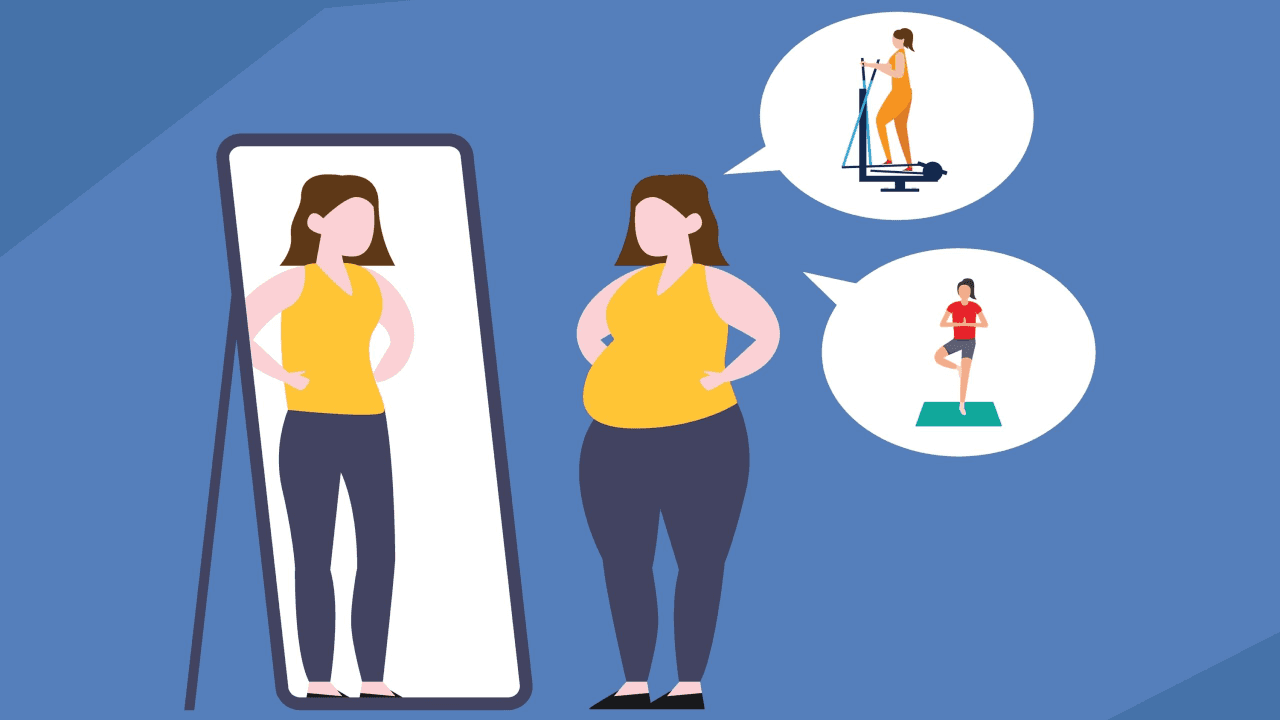
Most apps have a view where you can see your weekly calorie averages broken down by day. It’s worth taking a hard look at your Saturday and Sunday data. For most of us, weekend calories run way higher because of social plans, eating out, drinks, and just not having that rigid weekday routine.
If you’re perfectly hitting your goals Monday through Friday but "living it up" on the weekends, your total weekly deficit might be getting too small to actually see results. In some cases, those two days can completely cancel out your five days of hard work, leaving you stuck at maintenance without even realizing it.
The "Healthy Food" Calorie Trap
A particularly sneaky plateau trigger involves foods that are genuinely nutritious but calorie-dense. Avocados, nuts, nut butters, whole-fat dairy, olive oil, and dried fruits are all excellent foods.
However, they’re easy to over-consume when portions aren’t measured. Search your logs for these high-calorie healthy foods and verify that your logged amounts actually match what you’re eating.
Logging Timing and Accuracy
Research from MacroFactor’s team and other nutrition scientists suggests that logging food before or during a meal (rather than reconstructing it from memory at the end of the day) produces significantly more accurate records.
If you’re logging retroactively, you’re likely forgetting things. Try logging food in your app immediately before eating, as you might even find it changes what you choose to eat.
Choosing the Right App Features to Fight a Plateau
Not all trackers are created equal when you’re trying to break a stall. If you’re stuck, it might be time to see if your app is actually giving you the right info or if it’s time to swap. Here’s what actually matters:
Barcode Accuracy: Food tracking apps use verified data (like the USDA), whereas some other apps rely on "crowdsourced" entries from random users that can be totally wrong. If your data is trash, your results will be too.
Deep Macro Tracking: You need to see more than just calories. To beat a plateau, you need to be able to track protein and fiber at a minimum. If your app doesn’t make these front and center, it’s not helping you enough.
Weight Trends: Look for an app that shows you a 7-day rolling average. They actually calculate your metabolic rate based on what you eat vs. how your weight moves.
Health Syncing: Your app should play nice with your Apple Health, Garmin, or Fitbit. Sleep and daily steps have a massive impact on your metabolism, so having all that data in one spot is a game-changer.
Conclusion
Found this helpful? Share it with someone in your fitness community who’s hitting a wall right now. We’d love to hear about your plateau experience: what triggered it and what finally broke it.
Always remember that weight loss plateaus aren’t a sign that you’ve failed or that your body is broken. They are a part of every meaningful weight loss journey.
Ready to break through your plateau? Download Biteme today and start tracking your food intake! Your next breakthrough might already be hidden in your food logs.
Share Article
Recent Posts