|

Share Article
Ever wonder why you can lose four hours to a random mobile game without blinking, but tracking a single turkey sandwich feels like a total chore?
Trust me, it’s probably not a “you” problem. It’s a design problem. Most tracking apps are basically digital spreadsheets: gray and boring. But a few apps are finally starting to realize that our brains crave rewards, not just data points.
That’s where gamified nutrition comes in.
In this post, we’re breaking down how it actually works, why it’s so addictive (in a good way), and how you can make food tracking feel more like a game—even if the app you’re using is pretty basic.
What Is Gamified Nutrition?

Source: vectorjuice via Freepik
Gamified nutrition is the “anti-spreadsheet” approach to eating well. It refers to the strategic application of game design elements and mechanics to nutrition-related behaviors and outcomes.
Instead of just typing numbers into a boring gray box, these apps borrow the same tricks that make gaming apps so addictive. It’s taking the “work” out of tracking and replacing it with a sense of winning.
At its core, gamification in nutrition apps incorporates features such as:
Points systems that reward you for logging meals and meeting nutritional targets
Badges and achievements that recognize milestones in your health journey
Progress bars that visualize your advancement toward daily and weekly goals
Challenges and competitions that add excitement to routine tracking tasks
Leaderboards that foster friendly competition with friends or community members
Virtual rewards such as unlockable content or customizable avatars
Why Gamification Actually Works on Your Brain
Okay, so why does adding game stuff to a nutrition app make such a big difference? It comes down to how our brains form habits and what keeps us motivated.
A behavioral psychologist named Nir Eyal figured out how apps get us addicted (in his Hook Loop Model). According to him, habit-forming experiences go through four components:
Trigger: Something reminds you to open the app (notifications)
Action: You do the thing, like log your breakfast or scan a barcode
Reward: You get something that feels good (points earned, progress bars, or positive feedback)
Investment: You put in effort that makes you want to keep going
Why It’s More Than Just Calorie Counting
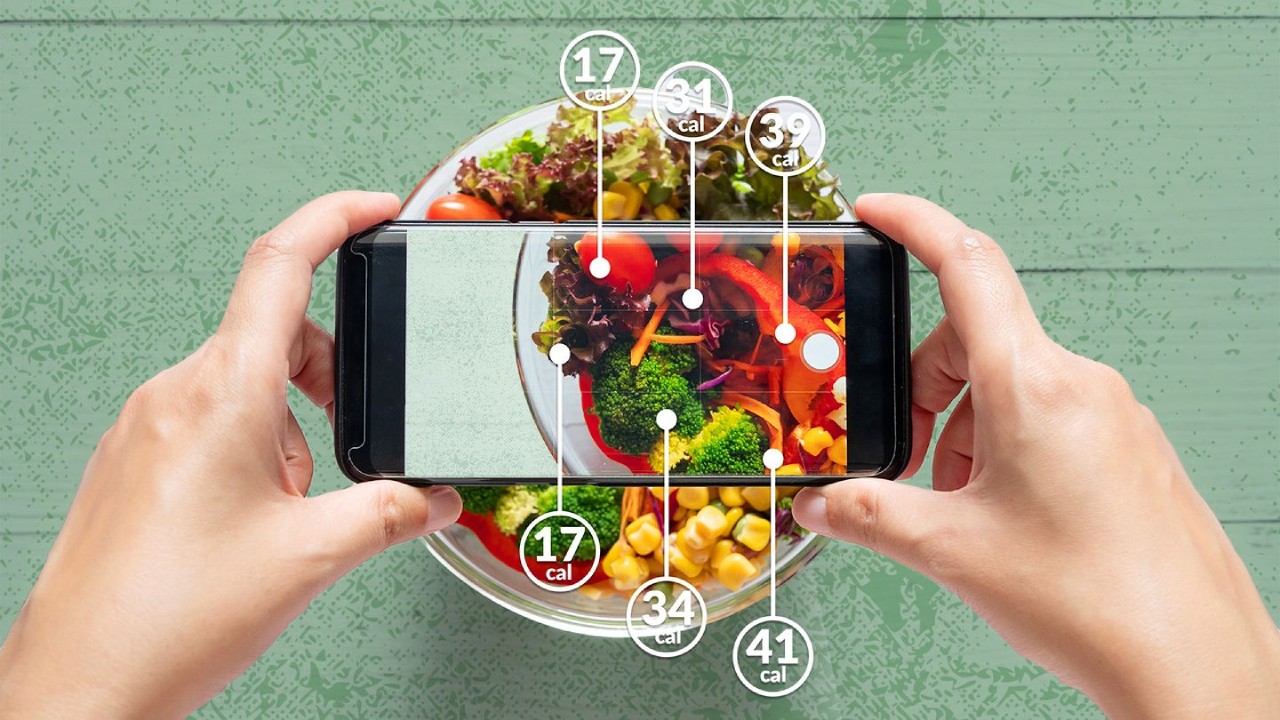
Old-school tracking apps are all about the data.
How many calories did you eat? Did you hit your protein goal? What does the scale say? They’re functional but kinda soulless.
Gamified apps tap into your emotions and give you momentum.
Take something as basic as a streak counter. Apps like Biteme track your daily food logs with a streak counter. It sounds like a small thing, but once you’ve hit a 15-day streak, you’ll find yourself scrambling to log dinner at 11:58 PM just because you refuse to let that number drop back to zero.
It’s called the “don’t break the chain” effect, and it works like a charm.
Instead of asking, “Did I stay under my calories?” gamified systems ask:
“Can I keep my streak alive?”
“Can I unlock the next badge?”
“Can I complete this weekly protein challenge?”
That shift increases user engagement in food logging, especially for beginners who struggle with consistency.
How much time should you spend daily on a gamified nutrition app?
Most successful users engage with nutrition apps 3-4 times per day for brief sessions. The goal should be efficient tracking that provides benefits without becoming time-consuming or obsessive.
If you find yourself spending more than 30-45 minutes daily on the app or checking it compulsively, you may need to reassess your relationship with the tool or choose an app with quick features.
Top Gamification Elements in Nutrition Apps
Not every gamification trick in the book works the same. There’s actual research showing what people actually care about when it comes to these apps.
Here are the top five most preferred gamification elements:
Goals - Users want clear, achievable targets for their nutrition journey
Progress Bars - Visual representations of advancement toward objectives
Coupons/Rewards - Tangible incentives for consistent healthy behaviors
Points Systems - Quantifiable metrics that track achievements
Levels - Hierarchical progression that signals advancement
Interestingly, people didn’t really care about leaderboards or avatars. This suggests that most of us would rather compete with ourselves than random strangers on the internet.
Points and Levels
Most apps that actually keep people coming back use some kind of points system. This rewards when you:
Log your meals and stay within your calorie budget
Hit your protein/carbs/fat targets
Finish one of their weekly challenges
Track your food every day for a week straight
As you rack up enough points, you advance through levels and unlock new features. It’s basically tapping into that same feeling you get from progressing in a video game.
Badges and Achievements
You know those little digital stickers that apps give you? They’re more effective than you’d think.
Take Biteme as an example. To keep things interesting, you’ll earn Apples and Trophies just for logging your progress and hitting your goals.
Challenges and Competitions
Logging food every day can be boring and repetitive. Want to take it up a notch? Challenges give you something specific to aim for instead of just vaguely “eating better.” The point is they mix things up so you’re not doing the exact same thing every single day.
Here are the most common challenges when you use food tracking apps:
7-Day Hydration Quest
5-Day Protein Boost Challenge
Meal Prep Challenges
New Food Challenges
Best Practices for Using Gamified Nutrition Apps
Downloading the app is the easy part. Actually getting something out of it is a different story. Here’s what actually works:
1. Set Goals You Can Actually Hit

Gamification only works if your goals aren’t completely unrealistic. A few things that help:
Start embarrassingly small. A simple “Log breakfast every day” is a perfectly fine starting goal. This way, you’re just trying to build the habit of opening the app. Win the small stuff first, then push harder.
Be specific. “Eat healthier” isn’t a goal, it’s a vibe. “Add one extra serving of vegetables every day for two weeks” is something you can actually track and win at.
Celebrate the small wins. Logged three days in a row? That counts. Tried a new recipe? That counts, too. The app’s little celebrations exist for a reason, as those tiny moments of progress are what build into bigger changes.
2. Stay Consistent Without Losing Your Mind
There’s a fine line between being on top of your nutrition and being obsessive about it. So, how do you actually log consistently?
Attach logging to something you already do. Log breakfast while you drink your coffee. Check your nutrition while you’re winding down at night. When it becomes part of an existing routine, you stop having to think about it as much.
One bad day isn’t the end. Went over your calories? Forgot to log? It happens. Apps like Biteme actually build in flexibility on purpose because the all-or-nothing mindset is what makes people quit. A broken streak doesn’t erase everything you’ve done.
Watch yourself. If you’re feeling anxious about breaking a streak, obsessively weighing every bite, or eating less just to hit a number in the app, that’s the gamification working against you. Not every app’s approach works for every person, and it’s worth checking in with yourself about whether it’s actually helping.
3. Make the App Work for You
Most good nutrition apps let you customize a lot, so make sure you actually use that.
Turn off notifications that annoy you. There’s a sweet spot between helpful reminders and wanting to throw your phone across the room.
Only track what matters to you. If counting every micronutrient gives you a headache, don’t do it. Calories only are totally fine. Tracking one thing consistently beats tracking everything inconsistently.
Lean into what actually motivates you. Badges do nothing for some people. Progress bars are everything for others. Most apps let you adjust what’s front and center, so use that to build an experience that actually clicks with how your brain works.
Quick Takeaway
Have you tried gamified nutrition apps? Which features keep you most motivated?
Share your experiences in the comments below, and if you found this guide helpful, please share it with someone who’s struggling to stick with their food tracking goals.
If you’re looking for an all-in-one food tracker with gamification features, Biteme is exactly what you need! Download the app today, and your future self will thank you for starting this journey.
Share Article
Recent Posts


